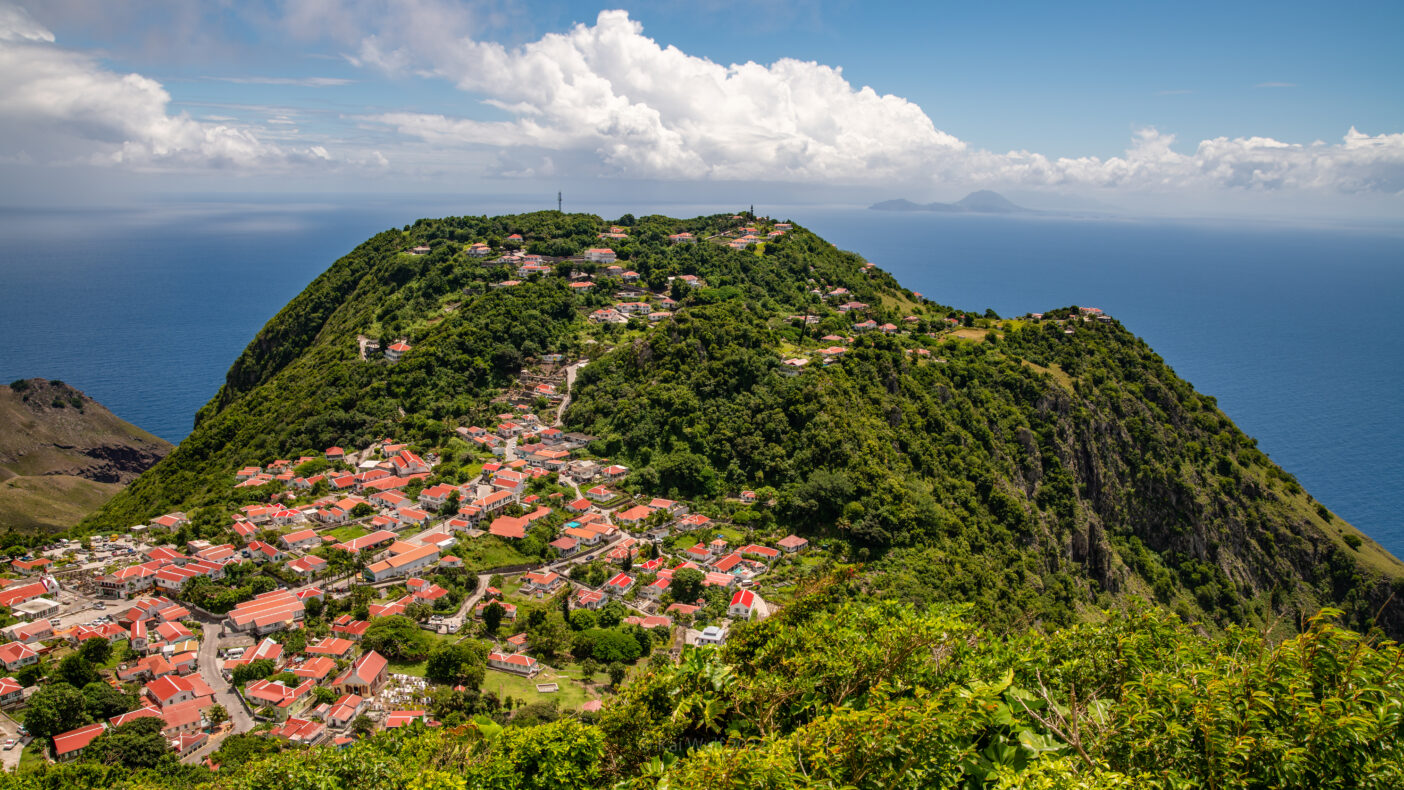

From the vast coffee plantations in Brazil and Colombia to the centuries-old tea fields of China and Japan: coffee and tea are closely linked to culture, traditions, and daily life around the world. Every country has its own growing regions, production methods, and distinctive flavors. In this blog, we’ll take you on a journey through some remarkable coffee- and tea-producing countries and show you where well-known varieties come from, what makes them special, and what role coffee and tea play in local culture. Where the world can’t find you…
Brazil
Brazil is the world’s largest coffee producer and plays a major role in the international coffee market. The country has several important coffee-growing regions, including Minas Gerais, São Paulo, and Bahia. Thanks to its vast landscape and varied climates, a wide range of coffee styles are produced there. Brazilian coffee is often known for its sweet, nutty, and chocolatey flavors and serves as an important foundation for many coffee blends.
China
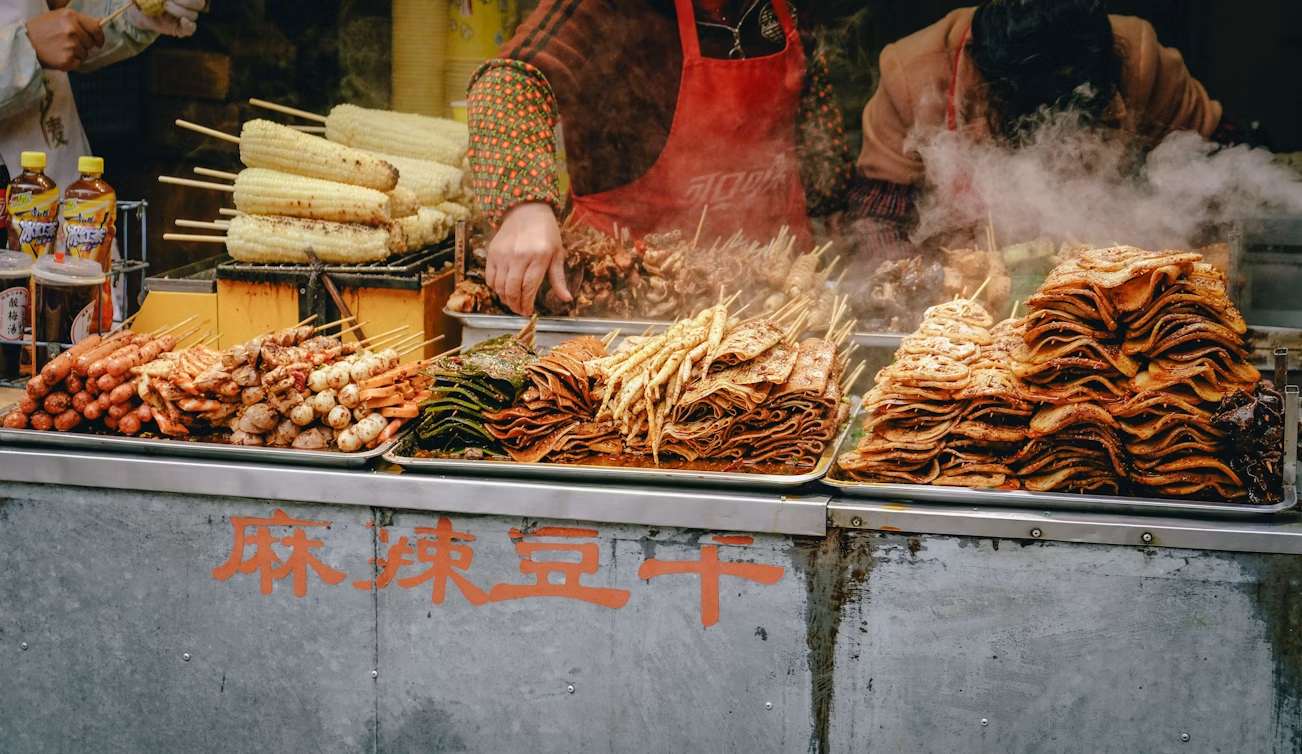
China is best known for its rich tea culture. Tea has been cultivated there for thousands of years and plays an important role in history and daily life. Well-known types of tea include green tea, oolong, white tea, and pu-erh. The regions of Yunnan, Zhejiang, and Fujian are particularly important for tea production. The Chinese tea landscape is characterized by centuries-old traditions, unique production methods, and a wide variety of flavors.

Colombia
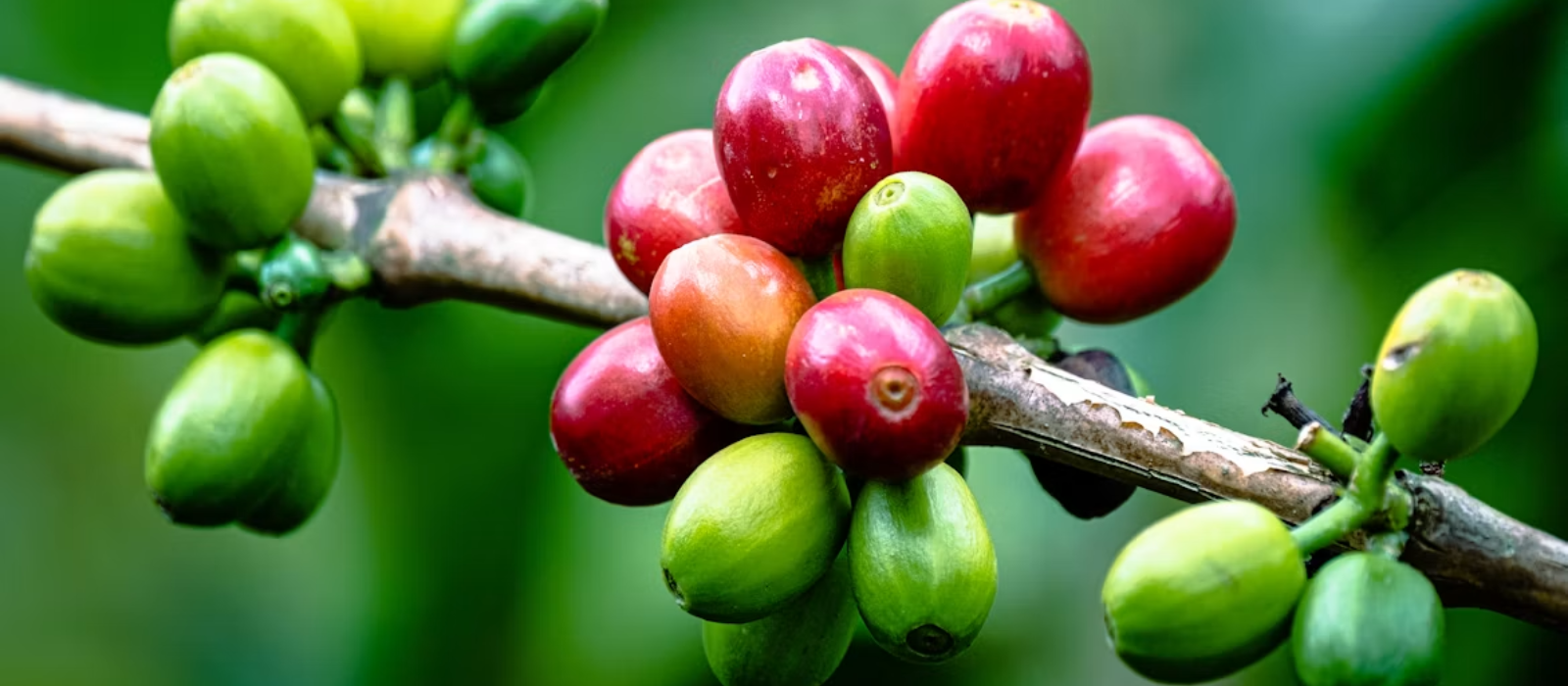
Colombia is one of the world’s most famous coffee-producing countries and is best known for its high-quality Arabica coffee. The coffee is primarily grown in the Zona Cafetera, where high elevation, volcanic soils, and a temperate climate provide ideal conditions. Colombian coffee is known for its balanced flavor, bright acidity, and notes of fruit and caramel. A visit to a coffee plantation demonstrates just how important coffee is to the local economy and culture.

Costa Rica
Costa Rica has built a strong reputation for high-quality Arabica coffee. Coffee is grown primarily in mountainous regions with fertile volcanic soils. The country has several coffee-growing regions, including Tarrazú and Valle Central. Costa Rican coffee is often bright and balanced, with fruity, floral, and sometimes sweet notes. The country is also known for its commitment to quality and sustainable production methods.

Ethiopia
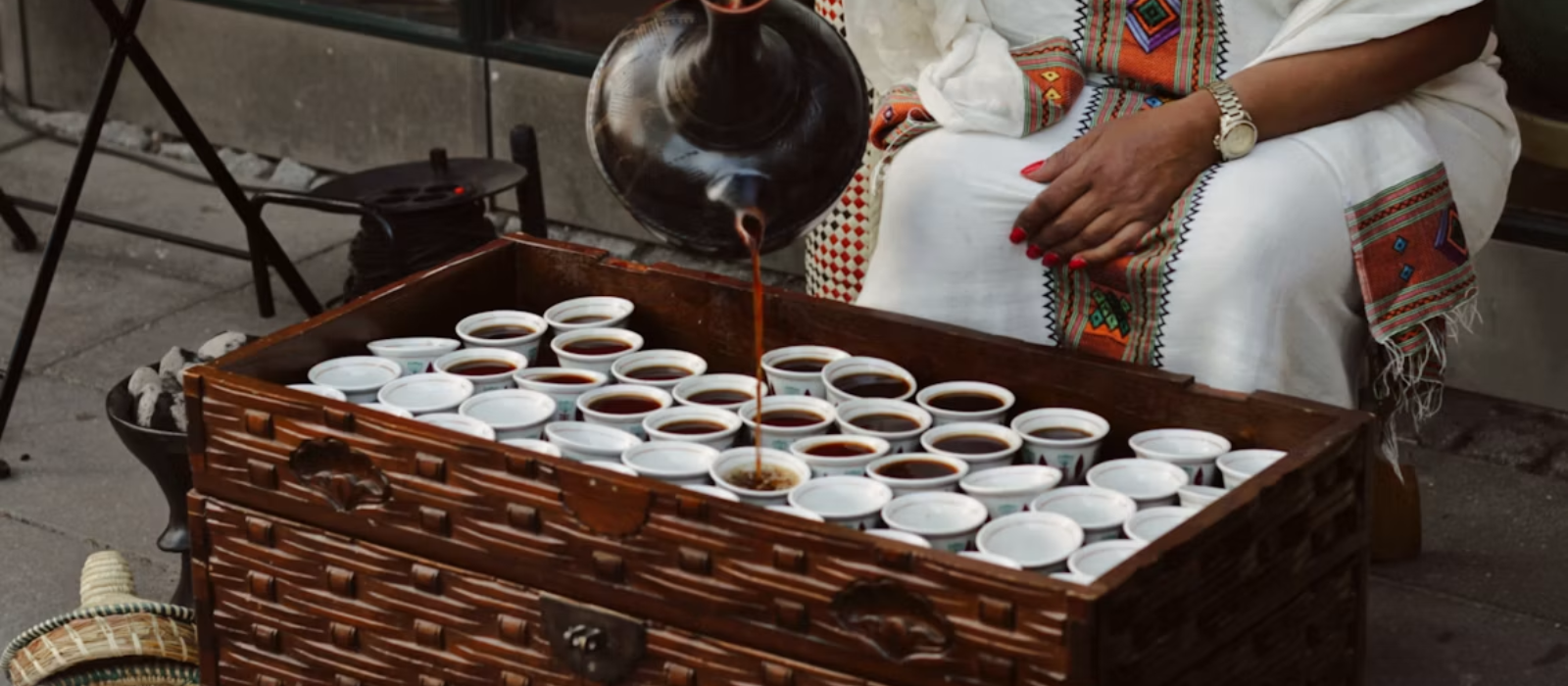
Ethiopia is often considered the birthplace of coffee. According to a well-known legend, a goat herder named Kaldi discovered the stimulating effects of the coffee cherry after his goats had eaten it. Today, Ethiopia is a major coffee producer, with regions such as Yirgacheffe, Sidamo, and Guji. Ethiopian coffee is known for its floral aromas, citrusy acidity, and fruity flavors.
India
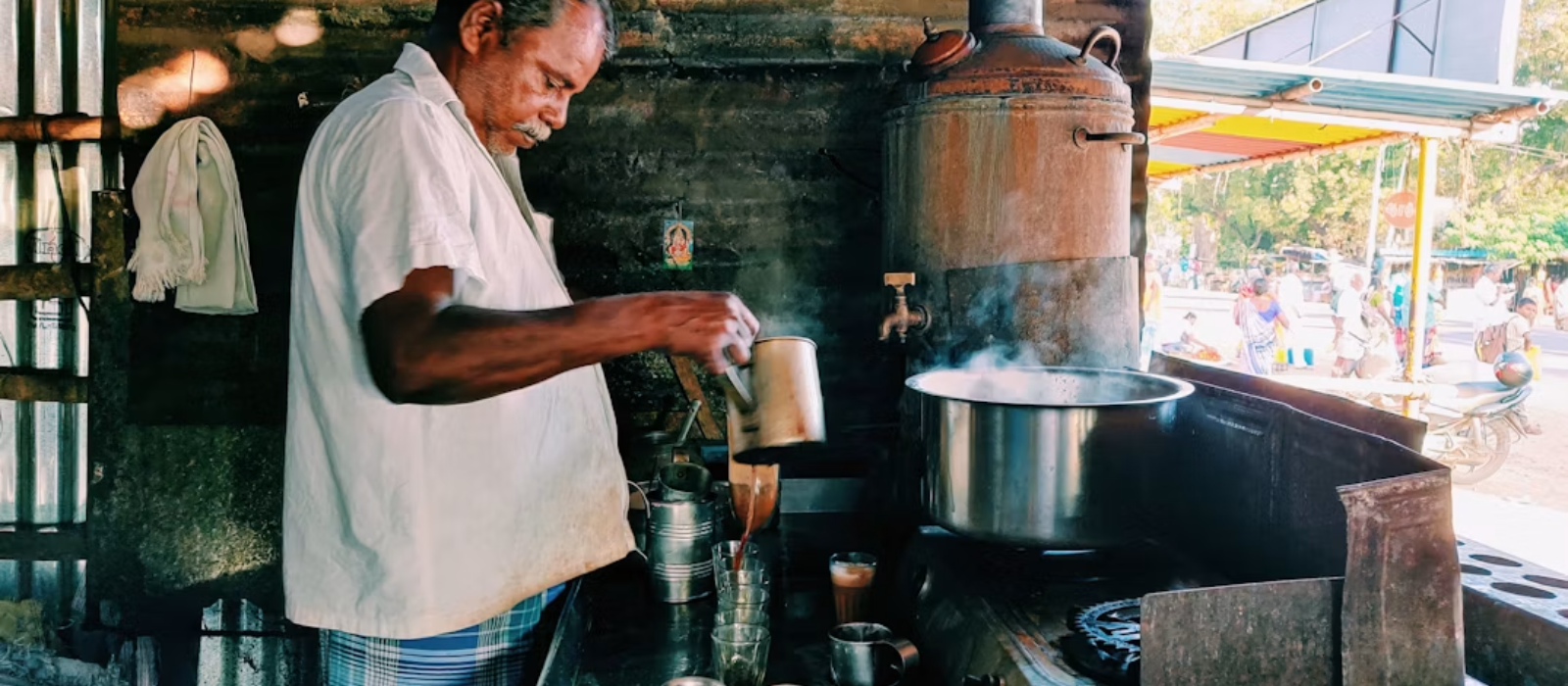
India has a diverse coffee and tea culture. Coffee is primarily grown in the south, in states such as Karnataka, Kerala, and Tamil Nadu. Indian coffees are known for their full-bodied flavor and spicy notes. India is also a major producer of tea, with well-known regions such as Assam and Darjeeling. Darjeeling tea, in particular, is prized for its refined, floral aromas.
Indonesia
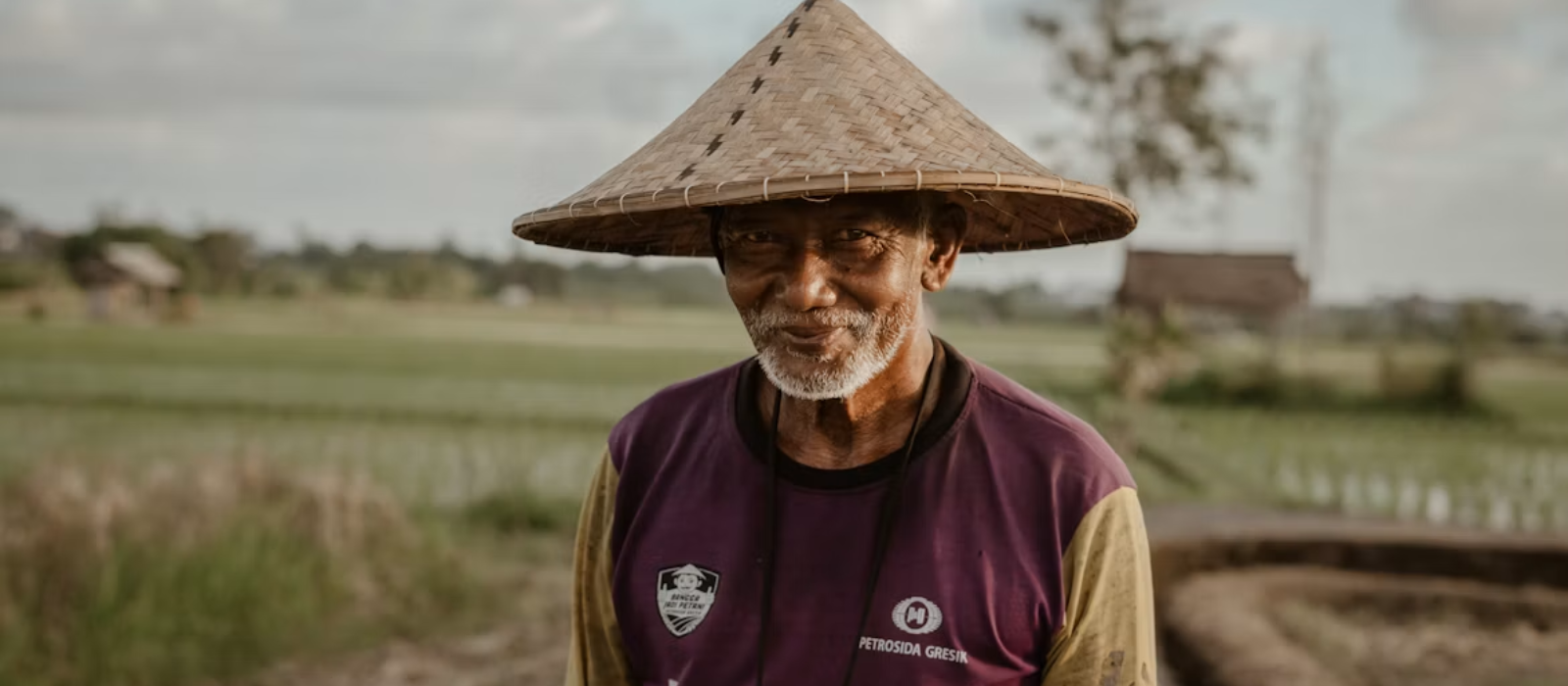
Indonesia has a long and diverse coffee tradition. On islands such as Sumatra, Java, Sulawesi, and Flores, coffee is grown on fertile, often volcanic soil. Sumatran coffee, in particular, is known for its full body and earthy, spicy flavors. One of the most unique coffee varieties from Indonesia is kopi luwak. This involves coffee cherries being eaten and later excreted by the Asian civet cat. The beans are then washed, dried, and roasted. This results in an exclusive coffee, but for the sake of animal welfare, it’s important to choose a producer with transparent and animal-friendly practices.
Japan
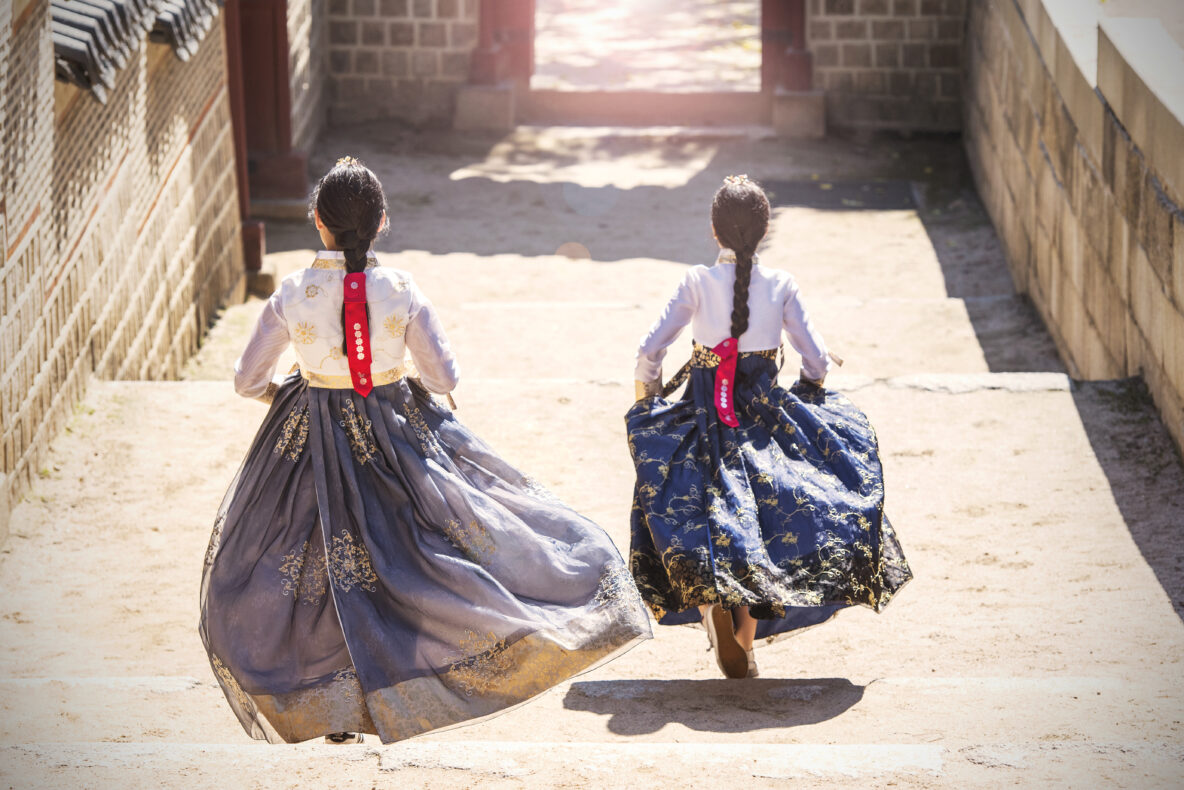
Japan has a centuries-old and refined tea culture centered primarily on green tea. One of the best-known traditions is the Japanese tea ceremony, also known as chanoyu or sadō. During this ceremony, matcha is prepared and served in a meticulous and ritualistic manner. It is not just about drinking tea, but also about tranquility, mindfulness, respect, and harmony. The ceremony demonstrates how deeply tea is intertwined with Japanese culture and traditions.

Kenya
Kenya is known worldwide for its high-quality Arabica coffee. Especially in the highlands around Mount Kenya Coffee is grown there, where the fertile volcanic soil and temperate climate provide ideal conditions. Kenyan coffee is known for its bright acidity, fruity aromas, and often wine-like flavor. The coffee is produced mainly by small farmers and cooperatives.
Uganda
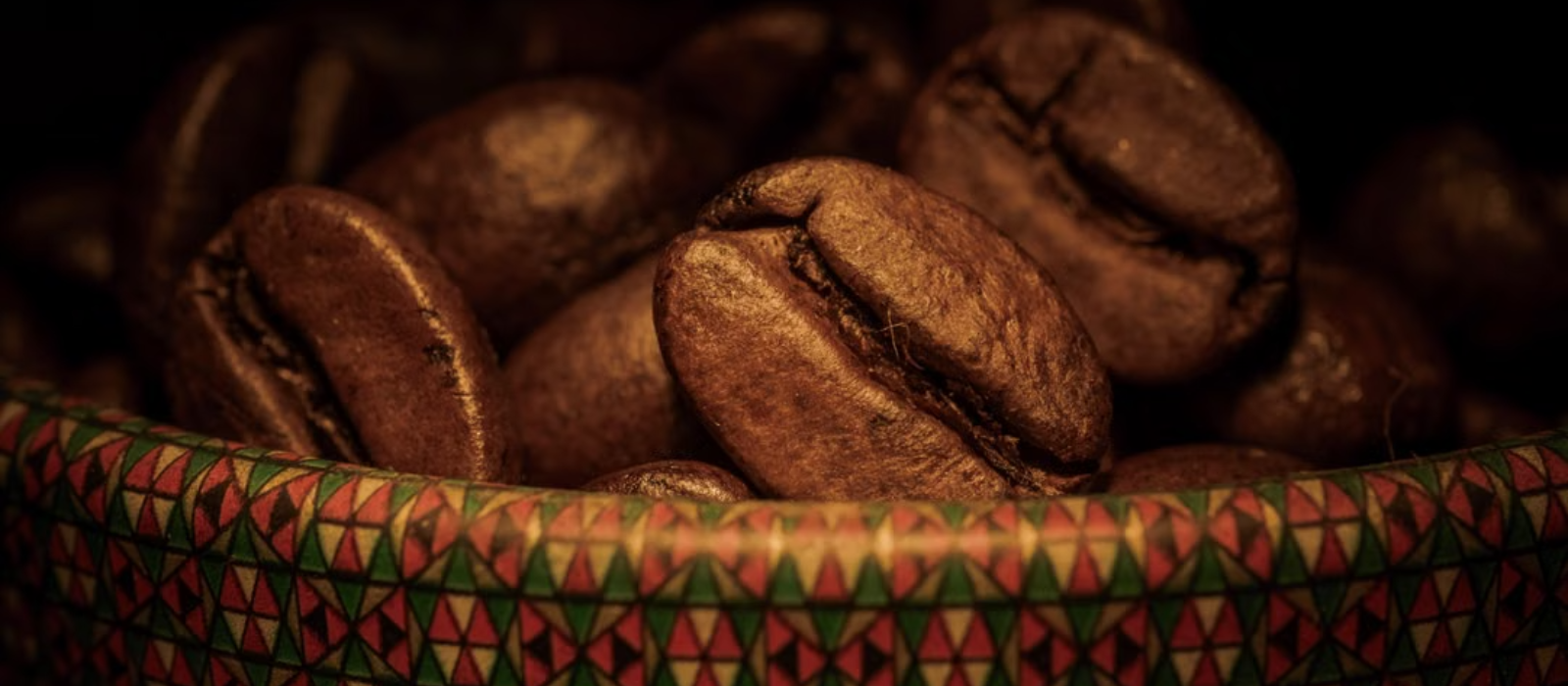
Uganda is a major coffee producer in East Africa and is best known for its Robusta and Arabica coffees. Coffee is grown in various parts of the country, including the slopes of the Rwenzori Mountains and Mount Elgon. The combination of fertile soil, altitude, and a tropical climate results in coffee with a wide range of flavor profiles. Ugandan coffee is often described as full-bodied and fruity, sometimes with spicy notes.
Sri Lanka
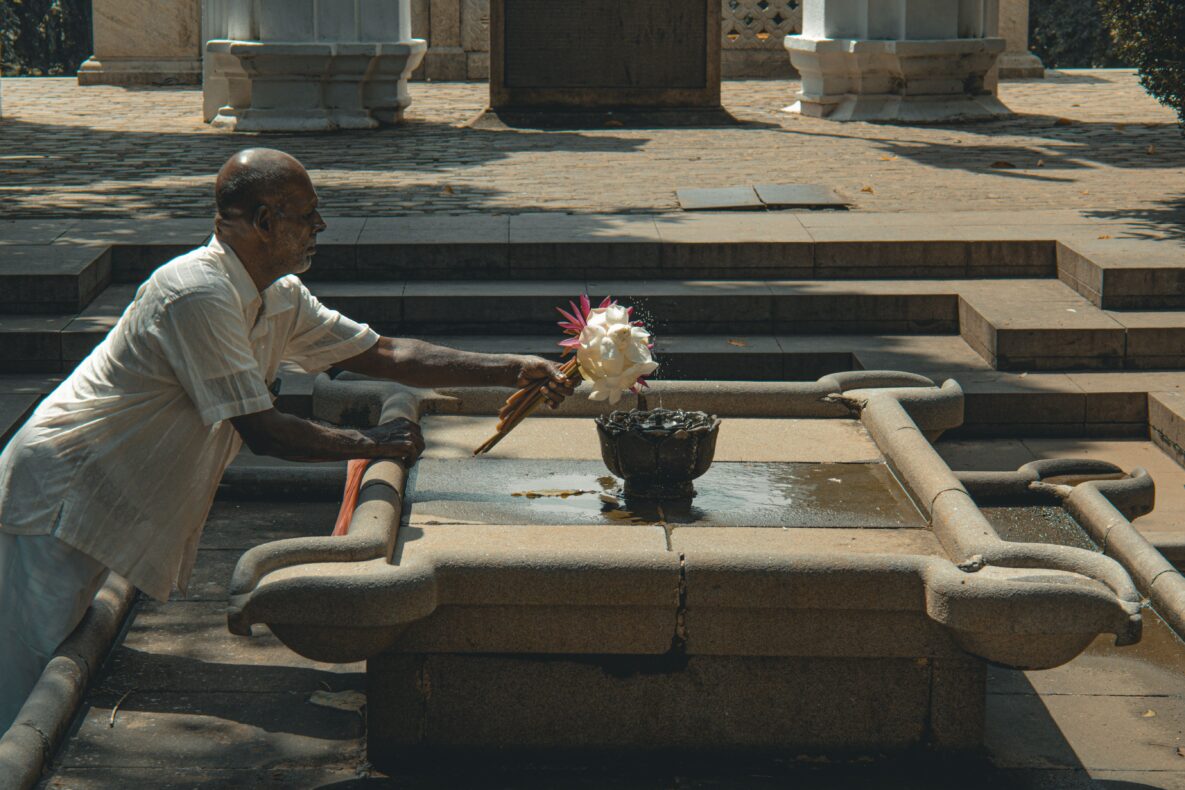
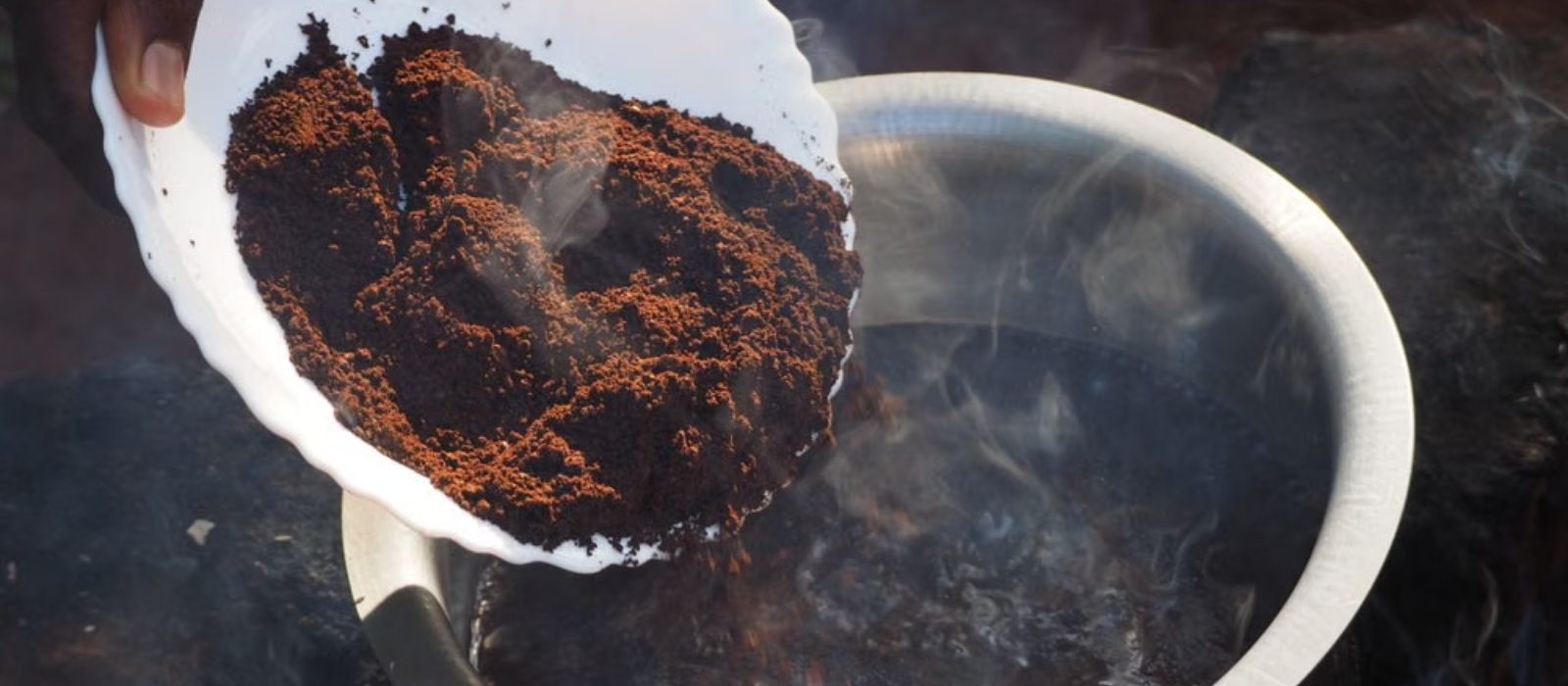
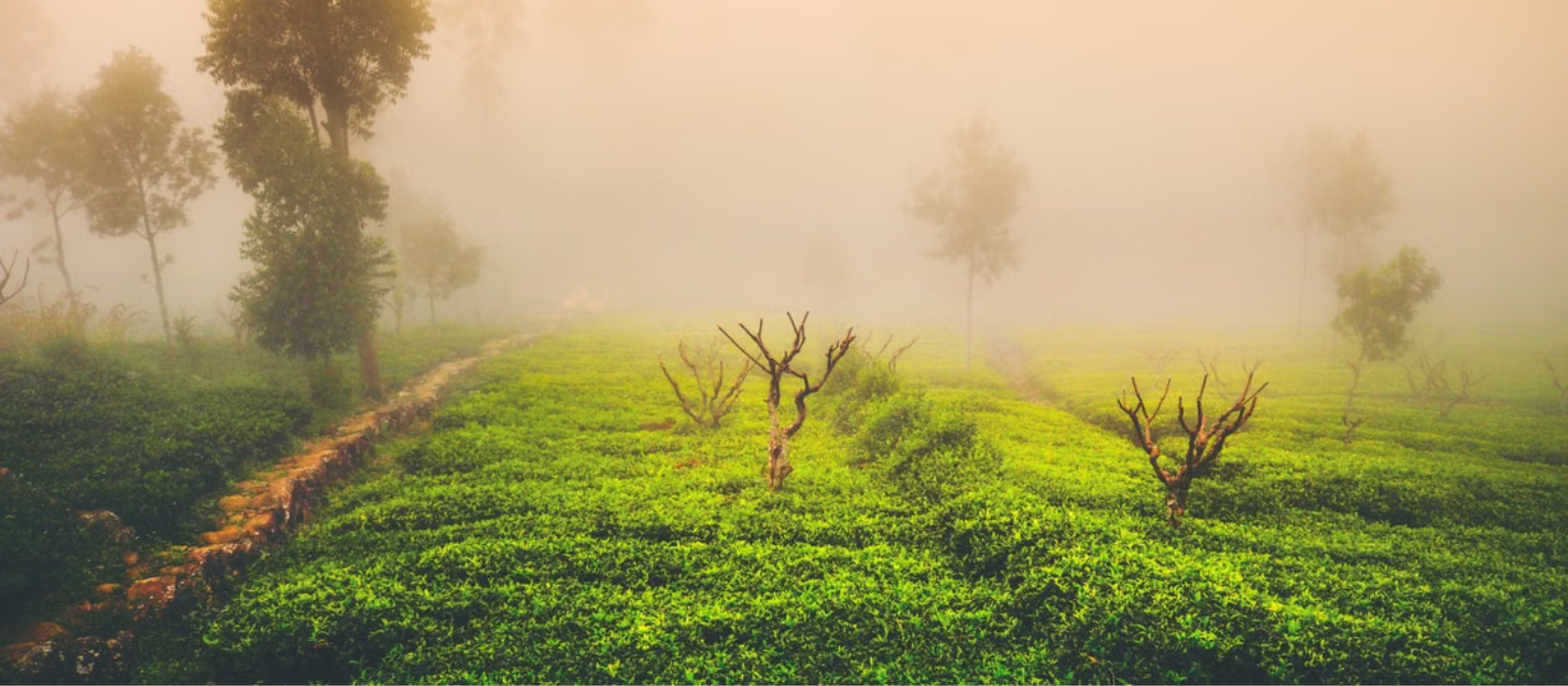
Sri Lanka is known worldwide for its tea, which is often referred to as Ceylon tea. Vast tea plantations are found especially in the cool, mountainous regions around Nuwara Eliya, Kandy, and Uva. The landscape of green hills and misty valleys is characteristic of Sri Lanka’s tea-growing regions. Ceylon tea is known for its fresh, crisp flavor and is enjoyed both on its own and in blends.
Taiwan
Taiwan has a relatively small but distinctive tea industry. The island is best known for its high-quality oolong tea. Tea plantations are found primarily in Nantou and the mountainous Alishan region, where altitude, fog, and a humid climate promote slow growth and complex flavors. Well-known Taiwanese teas include Alishan Oolong, Dong Ding, and Oriental Beauty. Taiwanese tea is often praised for its smooth, floral, and sometimes fruity character.

Vietnam
Vietnam is one of the world’s largest coffee producers and is best known for its Robusta coffee. A significant amount of coffee is grown, particularly in the Central Highlands. The warm climate and fertile soil provide ideal conditions for coffee cultivation. Vietnamese coffee often has a strong, full-bodied flavor. A well-known way to prepare it is with condensed milk, which creates a sweet and creamy drink.

Travel Proposal
Does any of these destinations sound interesting? Based on your wishes, our travel designer will put together a customized trip for you, fully tailored to your preferences for accommodations, trip duration, and unique experiences. Feel free to contact us with no obligation. We’d be happy to advise you!