
South Korea is a land of contrasts. In Seoul, it’s all about neon-lit streets, modern architecture, and bustling neighborhoods. Beyond the city, centuries-old temples, lush mountain landscapes, local markets, and charming coastal towns await. During his trip, Travel Designer Michel discovered just how much variety the country has to offer. From impressive natural scenery to cultural highlights and unique cities: here are 10 places he believes are must-sees on any trip through South Korea. Where the world can’t find you…
1. Seoul
Seoul is a city where the old and the new constantly come together. Amid futuristic skyscrapers and bustling shopping streets stand centuries-old palaces, traditional hanok houses, and charming temples. In Hongdae, it’s all about creativity, music, and street food, while Insadong and Bukchon offer a glimpse into traditional Seoul. At Gyeongbokgung Palace, Korea’s history comes to life, and at Noryangjin Fish Market, daily city life is in full swing. For those who want to leave the hustle and bustle behind for a while, Bukhansan National Park is within easy reach. And after an afternoon of shopping in Myeong-dong, the Han River offers plenty of space to view the city from a more peaceful perspective.
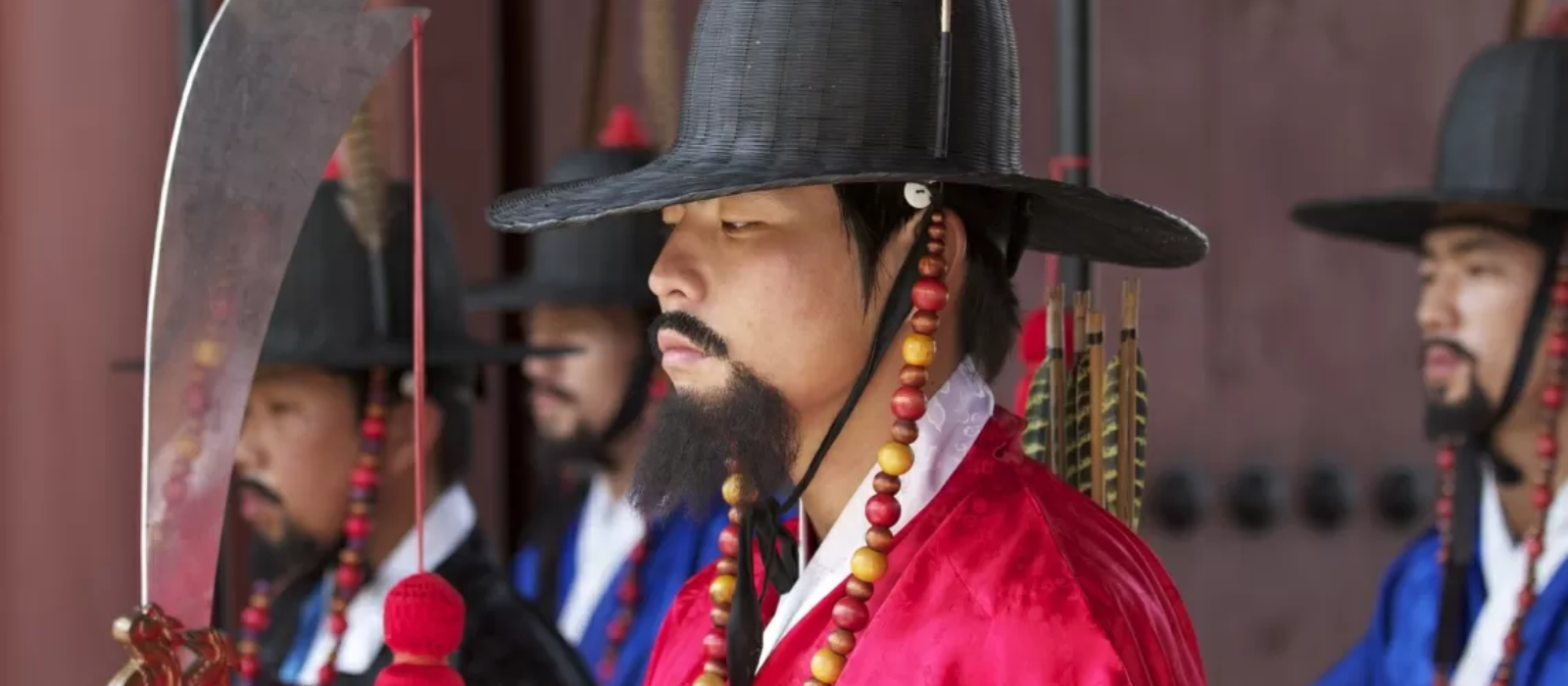
“What a vibrant city this is! Every neighborhood has its own charm and sights—from the traditional Bukchon Hanok Village to the trendy and modern Gangnam. A centuries-old temple nestled among the skyscrapers. It’s wonderful to stroll through the night markets, with all those unique, delicious-looking, and tasty dishes. So diverse and colorful!”
2. Jeju Island
Off the southern coast of South Korea lies Jeju-do, a volcanic island with rugged coastlines, lush forests, and dark lava rocks. In the center of the island stands Hallasan, which, at 1,947 meters, is South Korea’s highest mountain. On the east coast lies Seongsan Ilchul-bong, a volcanic rock formation rising from the sea and known as one of the most beautiful spots to watch the sunrise. In Bijarim Forest, ancient trees create a completely different landscape. Along the coast, waterfalls, lava fields, and jagged rock formations alternate. The haenyeo—female divers who harvest seafood from the coastal waters—are also inextricably linked to the island.
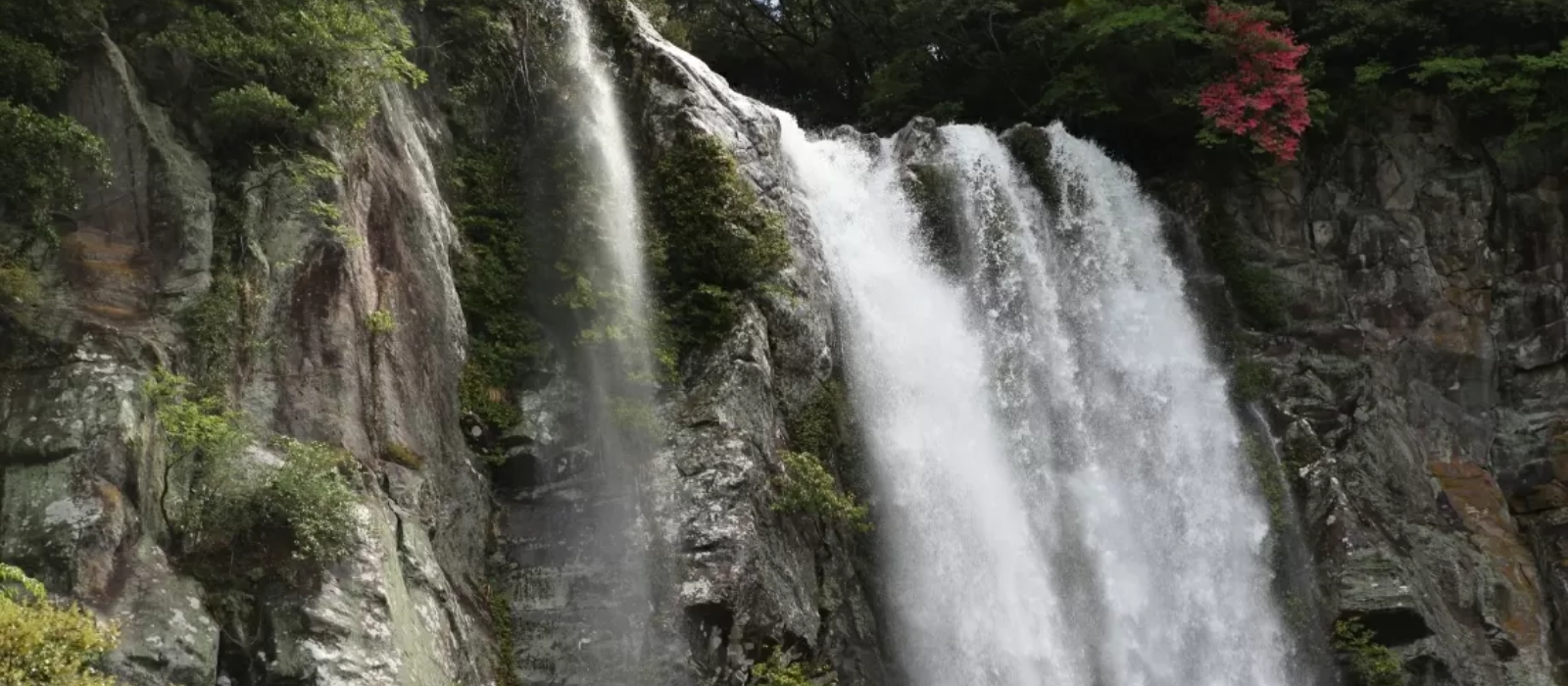
“This volcanic island is truly beautiful. During a hike along a section of the Olle Trail, I enjoyed the beautiful views of the south coast and Sunrise Peak, Seongsan Ilchulbong. But I was also fascinated by a visit to the Dongmun Night Market in Jeju City.”
3. Busan
Busan is nestled between the mountains and the sea, giving it a very different character from Seoul. The South Korean port city is known for its beaches, markets, and lively neighborhoods. On the coast lies Haedong Yonggungsa, a 14th-century Buddhist temple with a view of the sea. At Jagalchi Market, South Korea’s largest fish market, fresh fish and seafood take center stage. Nestled against the hills is Gamcheon Culture Village, a colorful neighborhood with narrow streets and houses in all sorts of colors. Haeundae and Gwangalli are popular spots for beaches and views, with the latter particularly known for its view of the illuminated Gwangan Bridge. In the evening, the markets and street food stalls really come to life.

“A bustling, sprawling city, beautifully situated along the southeastern coast of South Korea. Escape the hustle and bustle by taking a walk along one of the city’s beaches or along one of the designated coastal trails. The Songdo Cable Car and the Skywalk offer a completely different perspective on the city’s skyline.”
4. DMZ
A short distance from Seoul lies one of the most remarkable borders in the world: the DMZ, a demilitarized zone between North and South Korea. The strip, approximately four kilometers wide, was established in 1953 following the armistice that ended the Korean War. During a visit, you can see observation points, watchtowers, and the Third Tunnel, which was dug from the north under the DMZ. From the Dora Observatory, you can see the North Korean landscape. Panmunjom is also part of the zone. Important negotiations took place here in the past, and the famous blue barracks where talks between the two countries were held are located here.
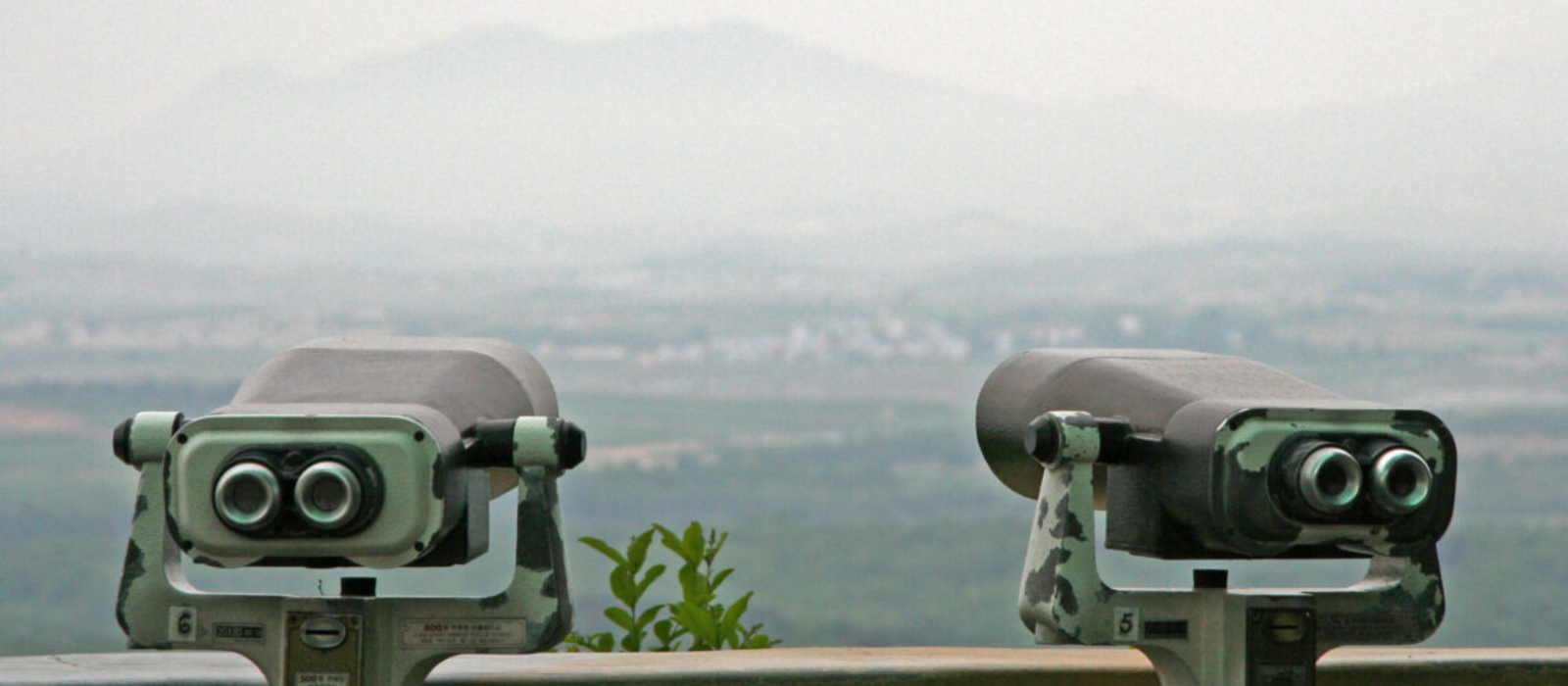
“The tense relations between North and South Korea make the Demilitarized Zone, just north of Seoul, a unique and historic place. The museum moved me, the tunnels dug by North Korea intrigued me, and the view of the unknown North fascinated me.”
5. Seoraksan
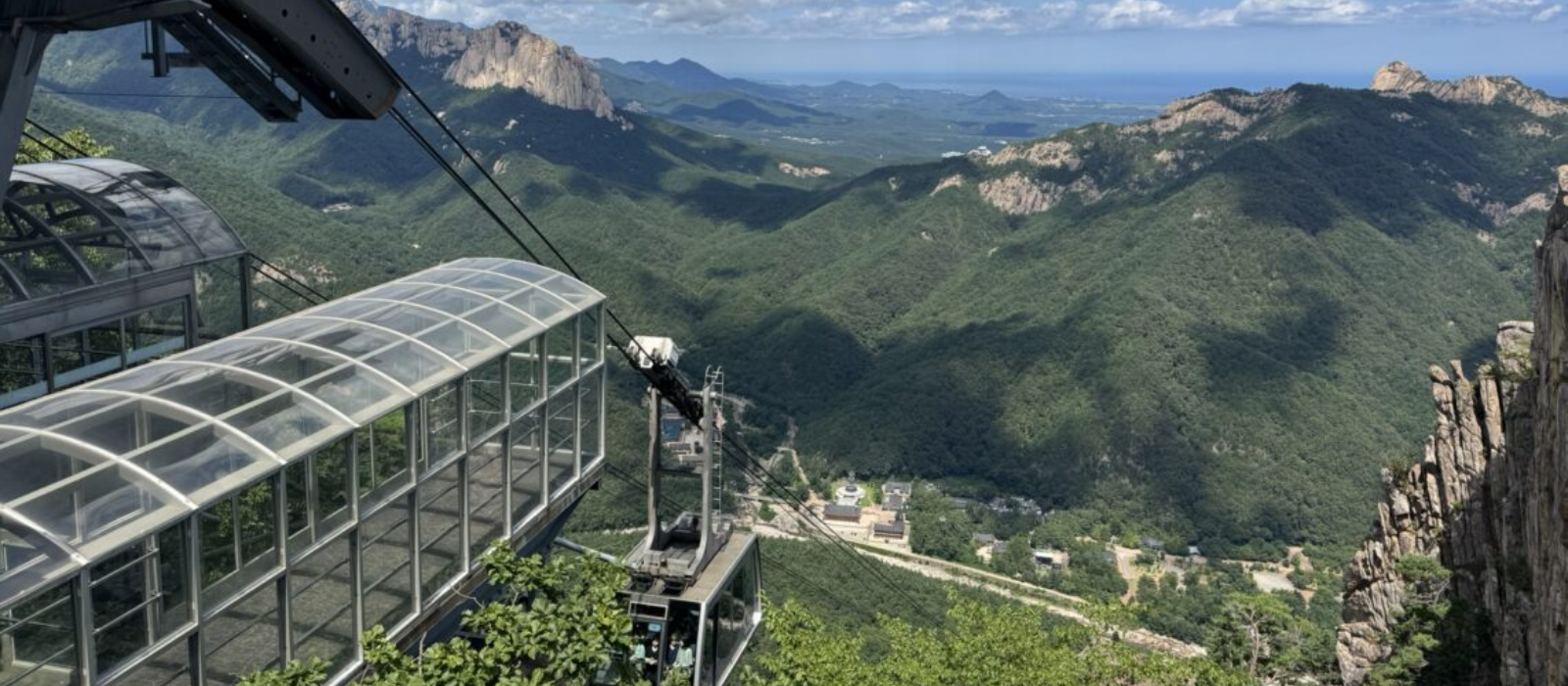
Seoraksan National Park is located in the northeastern part of South Korea; it is a vast mountainous region known for its jagged ridges, granite peaks, deep valleys, and dense forests. The park surrounds Seoraksan, one of the country’s most famous mountains, and is popular with hikers. Various trails wind past mountain streams, rock formations, and ancient temples, offering ever-changing views of the surrounding landscape along the way. Seoraksan is especially beautiful in the fall, when the forests turn shades of red, yellow, and orange. The mountainous landscape offers a striking contrast to South Korea’s bustling cities and densely populated coastal areas. Other nature areas are also worth visiting, such as Jirisan, Dadohaehaesang, and Hallasan National Park. The Nakdong and Han Rivers reveal yet another side of the Korean landscape.
6. South Korean Cuisine
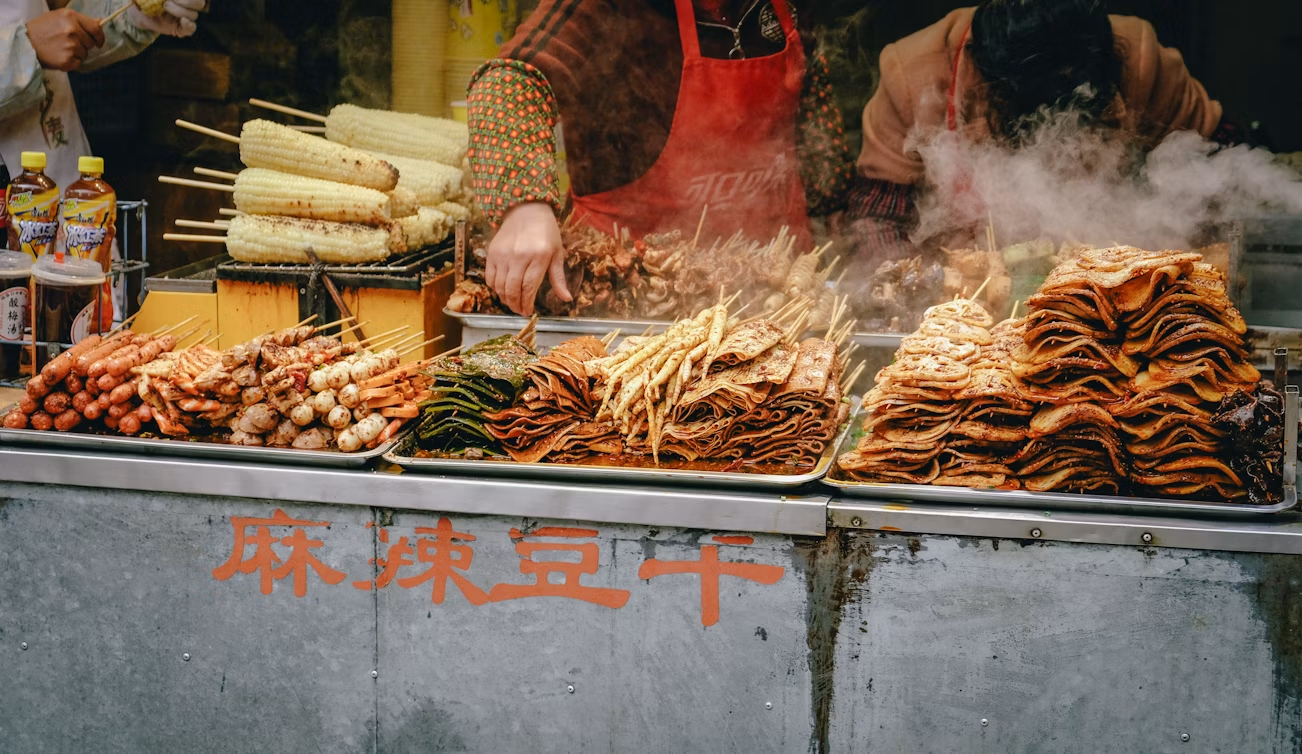
South Korean cuisine is known for its bold flavors and surprising contrasts: spicy and sweet, fresh and savory, crunchy and soft. Rice, vegetables, fish, and seaweed form the foundation. Meals often include a variety of small side dishes, known as banchan, such as marinated vegetables, seaweed, and kimchi. Korean barbecue is also popular, where meat is grilled at the table and shared. On the streets and in markets, snacks like tteokbokki—spicy rice cakes in a sweet-and-spicy sauce— gimbap—rice rolls with various fillings—and hotteok—a sweet pancake—are very popular. Bibimbap is another classic: a bowl of rice with vegetables, egg, and gochujang, a spicy Korean chili paste.
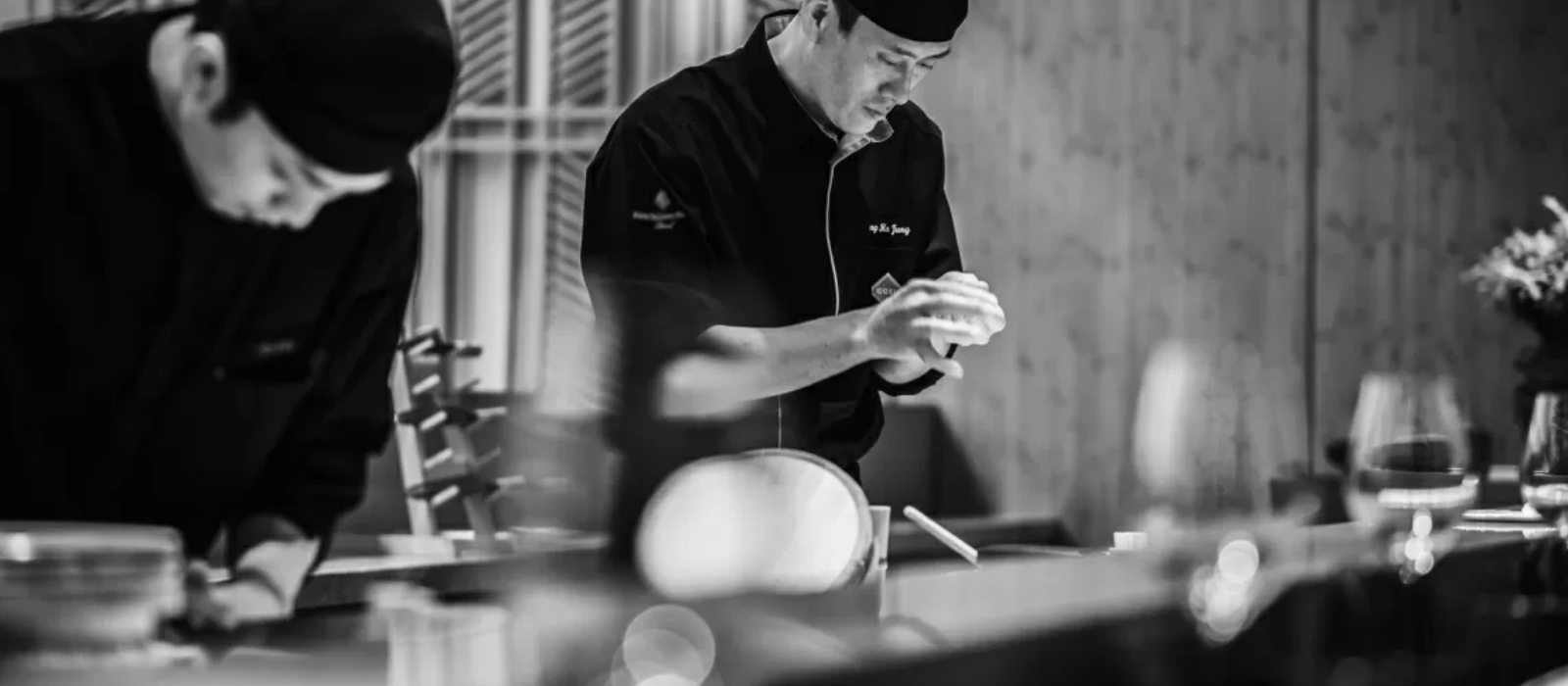
“South Korean cuisine—in hindsight, perhaps the best reason to visit South Korea. In any case, it’s truly remarkable to see how important food is to the local people and their culture. And the cuisine is so diverse: from intimate, specialty restaurants and Korean BBQ spots to small street food stalls and huge indoor markets. From traditional to modern. There’s something for everyone.”
7. Andong
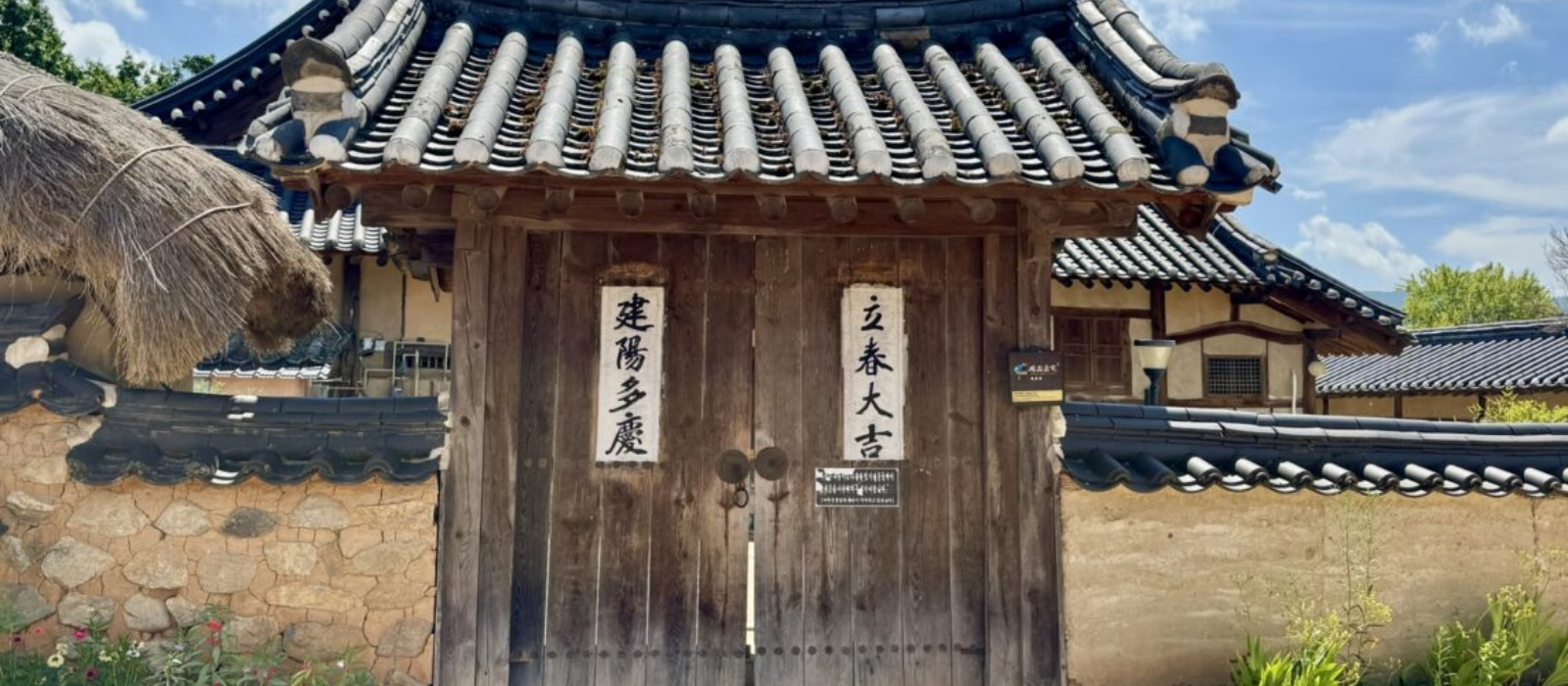
Andong is located in eastern South Korea, a city where traditional Korean culture is still clearly visible. The best-known example is Hahoe Folk Village, a historic village with traditional hanok houses, surrounded by green hills and rice paddies. The Nakdong River flows past the village and, together with the hills, forms a distinctive landscape. Andong is also home to several ancient academies and temples, which demonstrate how important education, culture, and traditions have been here for centuries. The city is also known for the Hahoe masks and the traditional mask dances performed with them.
8. Gyeongju
Gyeongju was the capital of the Silla Kingdom for nearly a thousand years and is therefore often referred to as South Korea’s “museum without walls.” Remnants of this period can be found throughout the city. Daereungwon is home to the large burial mounds of former kings and nobles, while the ancient Bulguksa Temple and the nearby Seokguram Grotto, with its large Buddha statue, are among the most famous attractions. At Donggung Palace and Wolji Pond—a former palace complex with a pond—the illuminated buildings are reflected in the water at night. In Hwangnidan-gil, cafés, restaurants, and shops housed in traditional buildings create a modern atmosphere.
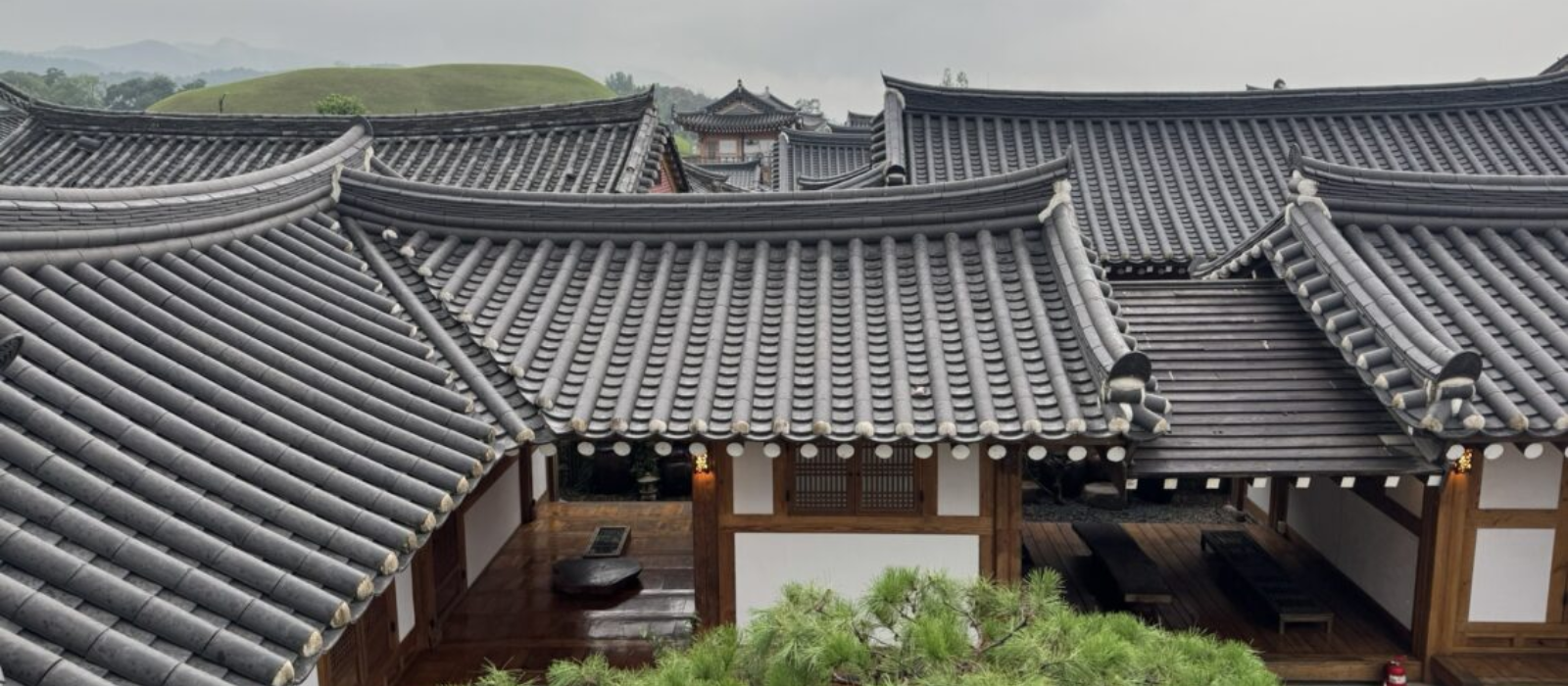
“In addition to the old town, with its cozy bars and restaurants, I found a visit to the beautifully lit Wolji Pond and Donggung Palace as evening fell to be a truly special experience. It was wonderful to stroll among the locals.”
9. Hanok
Anyone who wants to experience traditional Korea will soon come across a hanok, a traditional Korean house with wooden elements, courtyards, and distinctive rooflines. In neighborhoods like Bukchon Hanok Village in Seoul, these houses are clustered closely together along narrow streets and hillsides. Outside the capital, Jeonju, Andong, and Gyeongju are among the well-known places to explore hanoks. Some houses have been converted into small guesthouses, making a stay in a hanok a viable option. Traditional details such as ondol, the Korean underfloor heating system, wooden doors, and paper walls give the houses a unique atmosphere.
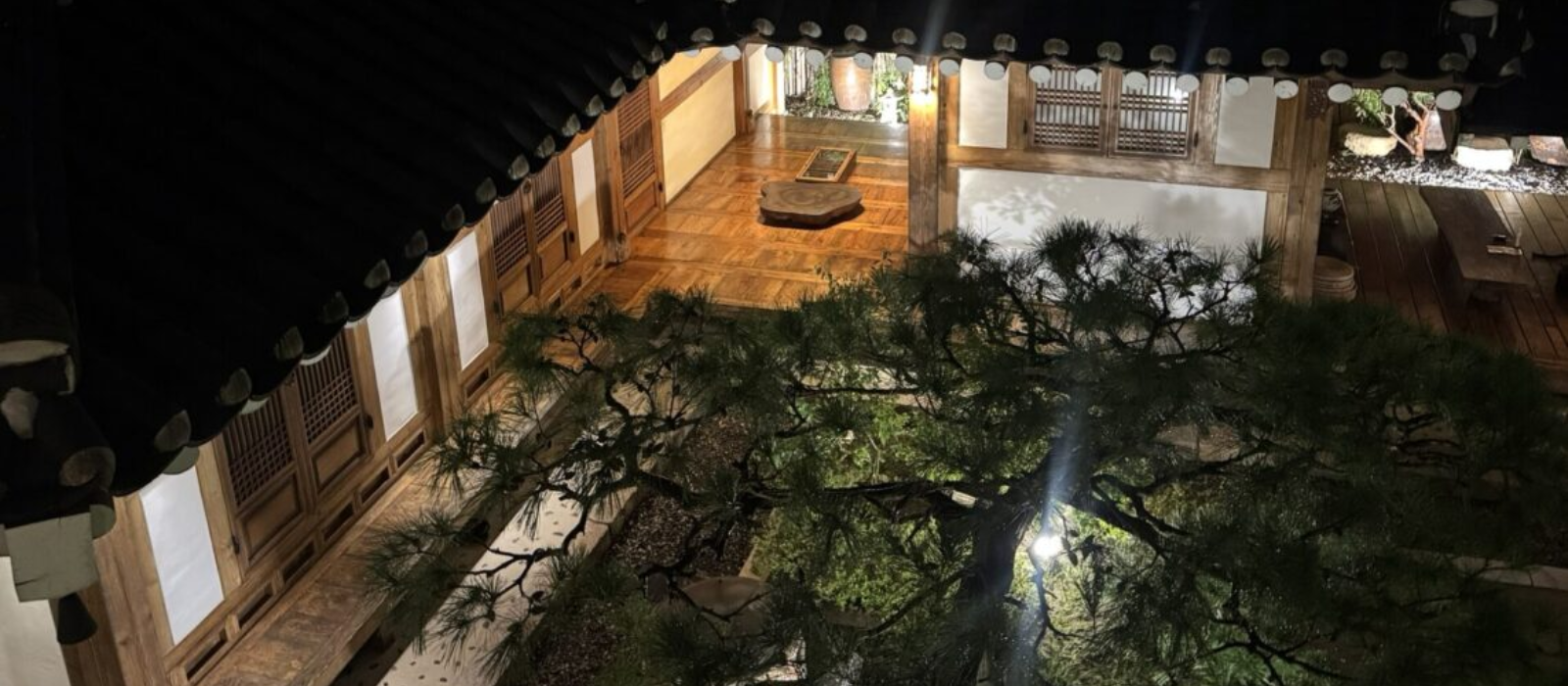
“A stay in a traditional hanok is a must during a trip through South Korea. You can do this in places like Jeonju and Gyeongju, for example. Traditionally, you sleep on a mattress on a heated floor—for the die-hards—but these days there are also hanoks with comfortable Western-style beds.”
10. K-pop and Korean TV series
From sold-out concert halls to world-famous Netflix series: South Korean culture has gained enormous international appeal in recent years. In Seoul, much revolves around K-pop, with entertainment companies, music stores, cafés, and places where fans can follow their favorite artists. Korean TV series also play a major role. Palaces, cafés, streets, and nature reserves are regularly used as backdrops and have thus become recognizable landmarks for fans. Outside of Seoul, cities such as Busan, Gyeongju, and Andong also frequently appear on screen.
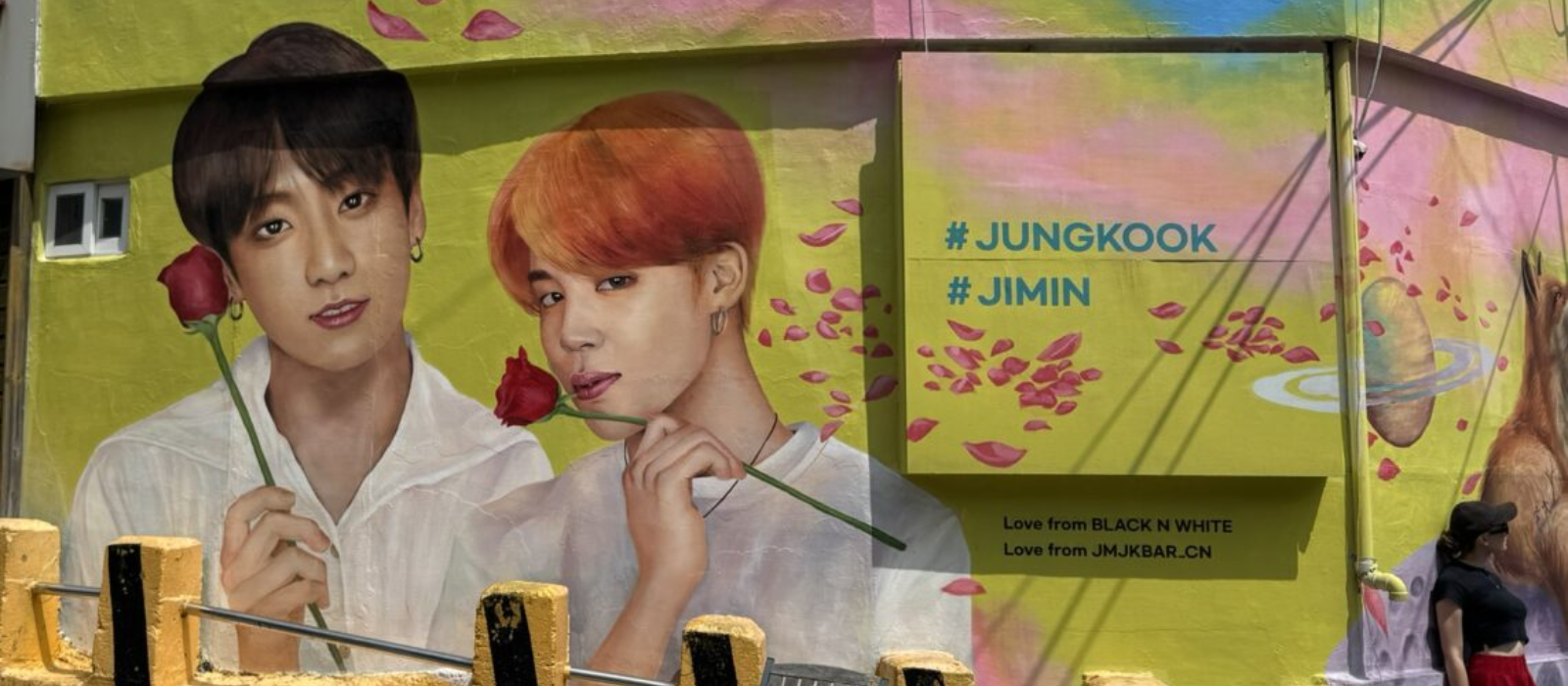
“The Korean ‘wave’ has taken the world by storm in recent years. Everywhere you look, you see images of major Korean K-pop stars like PSY, BTS, and BLACKPINK. People walk around in traditional costumes, and if you’re wearing a traditional hanbok, you can sometimes even get in for free. And ‘everywhere’ you can get a beauty treatment.”
Travel Proposal
Does any of these destinations sound interesting? Based on your wishes, Travel Designer Michel will put together a customized trip for you, fully tailored to your preferences for accommodations, trip duration, and unique experiences. Feel free to contact us with no obligation. We’d be happy to advise you!