Colorful encounters in Angola
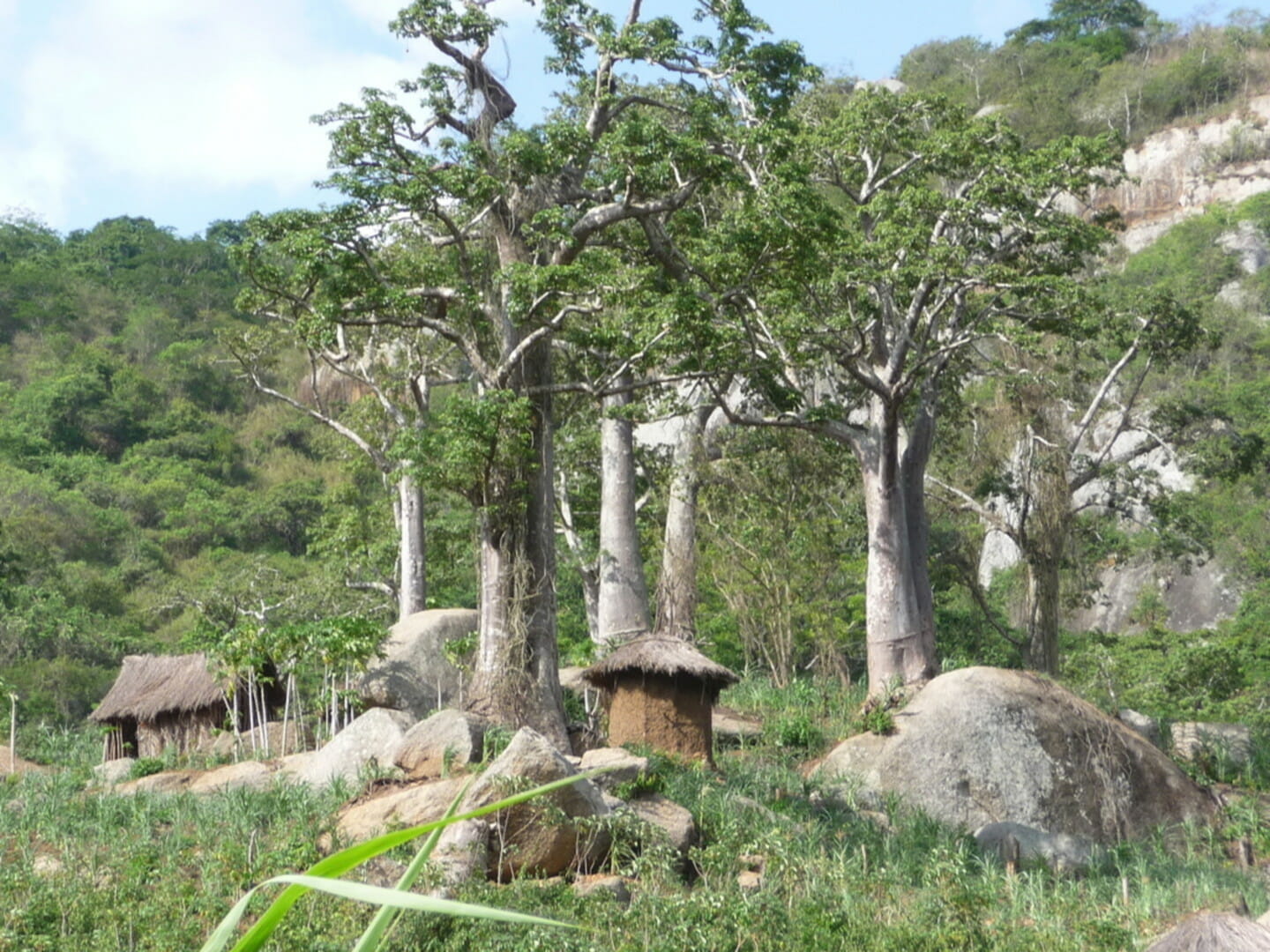
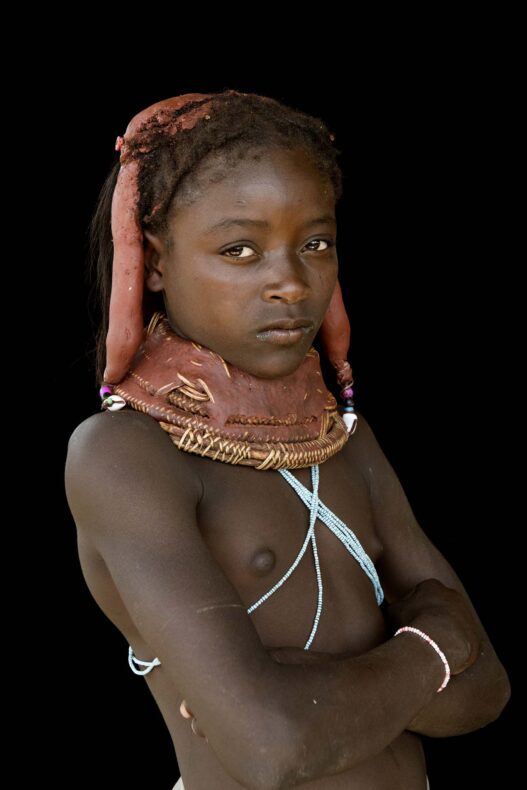
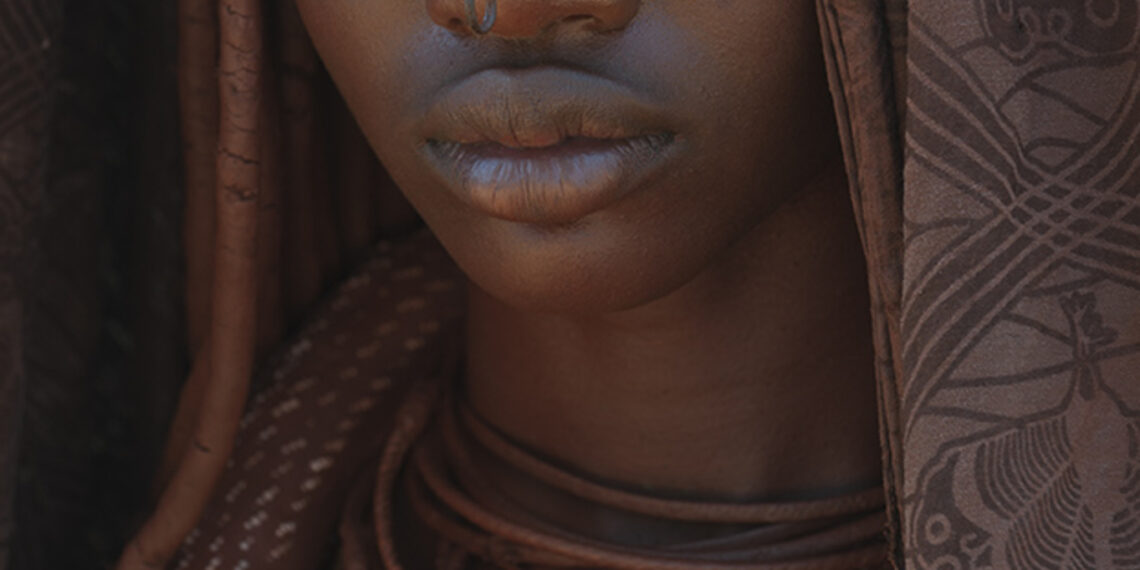
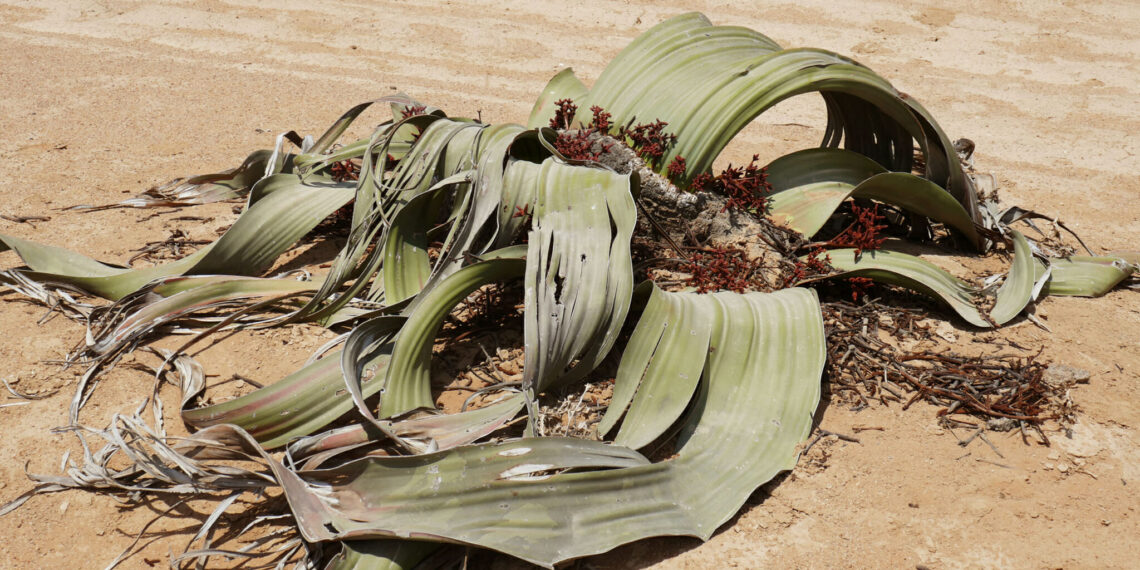
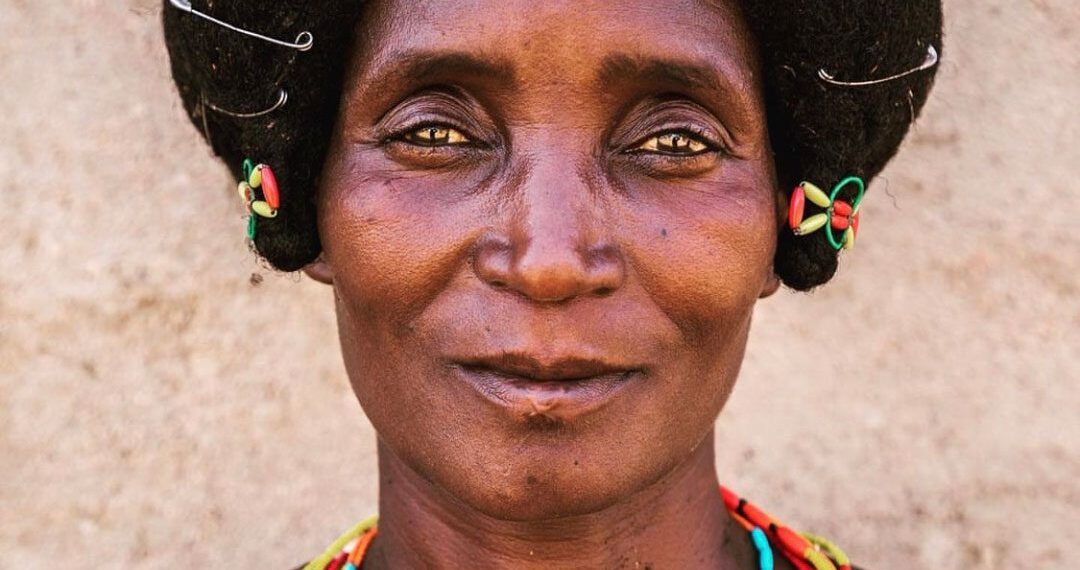
Angola has a wide variety of authentic, tribal populations. In the southwest live colorful groups such as the Ovamwila, Ovahanda, Ovakuvale, Ovahakaona, Ovadhimba, Ovatwa and the Ovahimba, with their distinctive head of hair. In the southeast live the Khoisan and the Nganguela. The interior is all shades of green with tropical rainforest, savannas and vast grasslands. Large rock formations make for impressive waterfalls. On the Atlantic coast at Benguela and Lobito are paradisiacal beaches lined with palms and sandstone formations. The Serra da Kula Mountains- rising from a mile-deep gorge - offer spectacular views of the Namib Desert at the Tundavala viewpoint.Where the world can't find you...
Six national parks
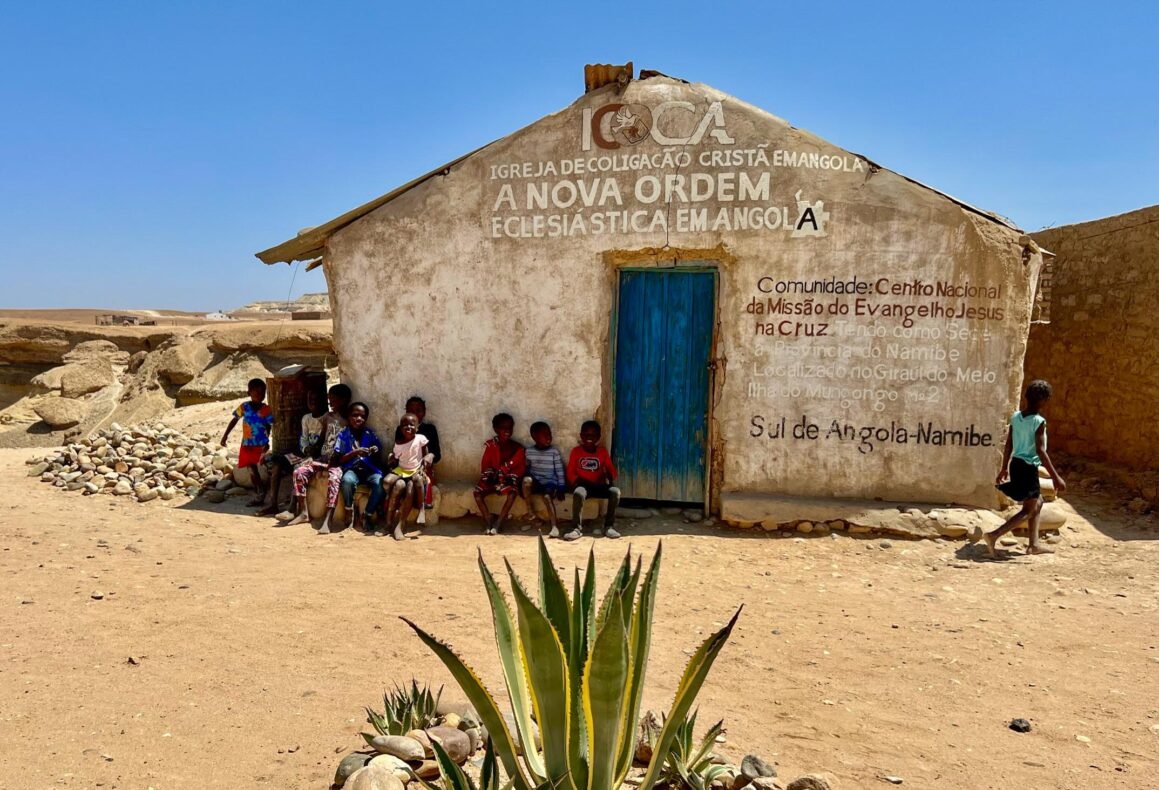
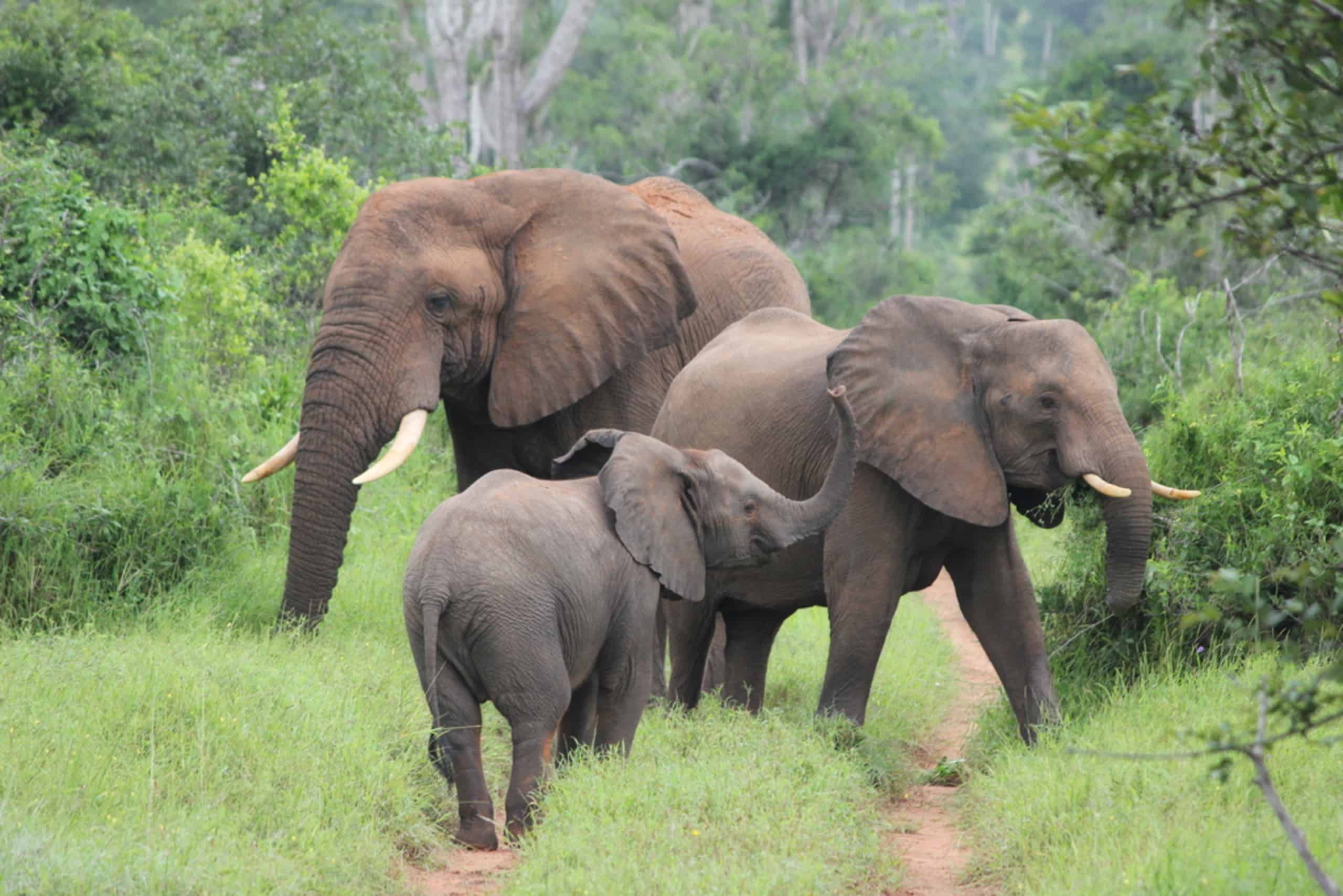
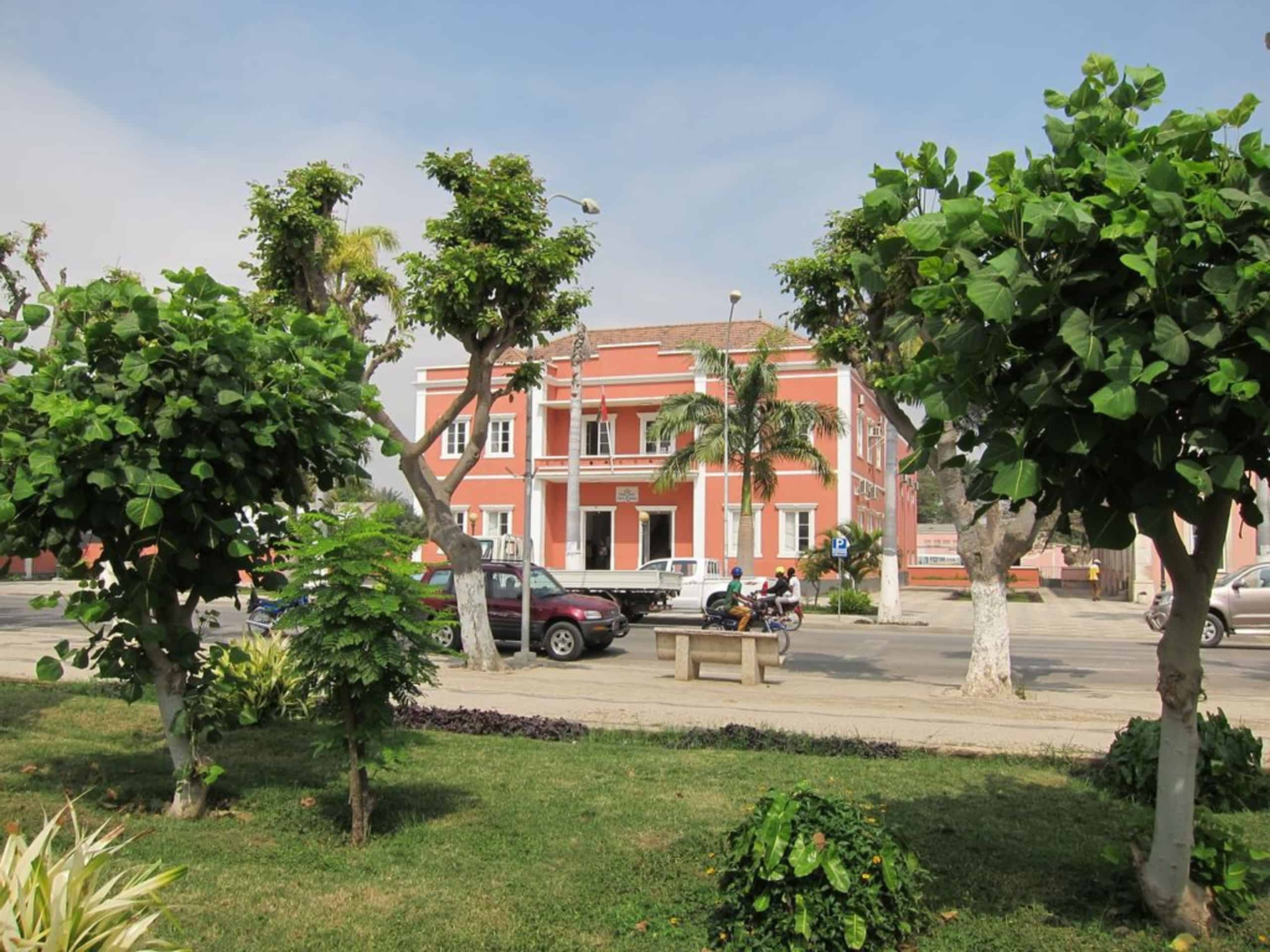
In addition, Angola is richly endowed by mother nature. The country has six national parks, the most famous being Iona and Kissama (Quicama), Luengue-Luiana and Cangandala. The first is known for its sand dunes and rock formations, the second for its elephants, giraffes, zebras, wildebeests and antelopes, the third for its pristine wilderness and large herds of elephants, buffalo, antelopes and packs of African wild dogs, lions and hyenas. The fourth park is home to Angola's national symbol, the giant sable antelope. The colonial legacy of Portuguese rule is an important fact: from Lubango, you pass the statue of Christo Rei before descending the Leba Pass to the colonial town of Namibe (Moçâmedes).