
At the end of April I traveled to Angola, an unknown destination ravaged for decades by a bloody war. Now at peace, it has reopened its doors to the world but without the breakthrough of mass tourism: the perfect time for me to discover unspoiled nature in its purest form and get acquainted with the ancient traditions of tribal peoples. After a short stop over in Johannesburg, I reached Angola’s capital, Luanda, on a flight of about three-and-a-half hours.
LUANDA
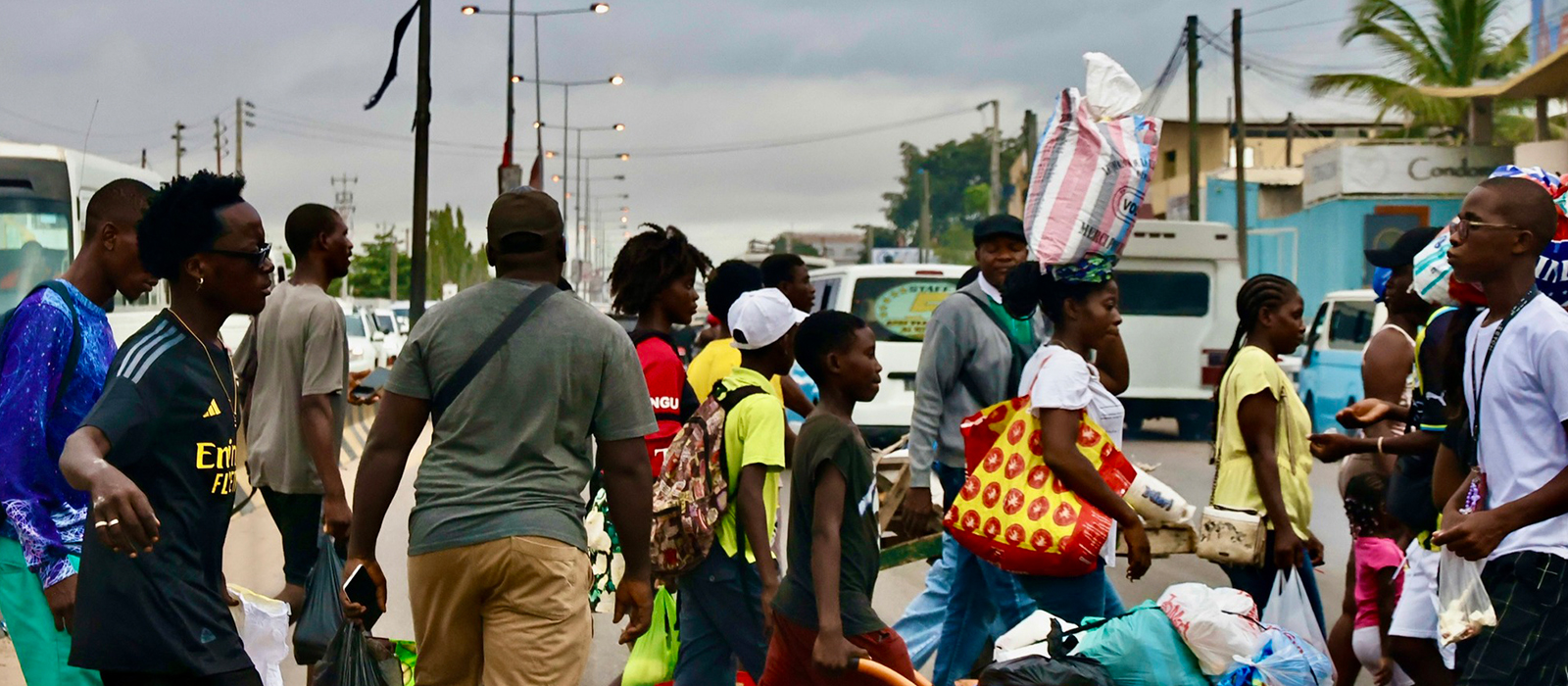
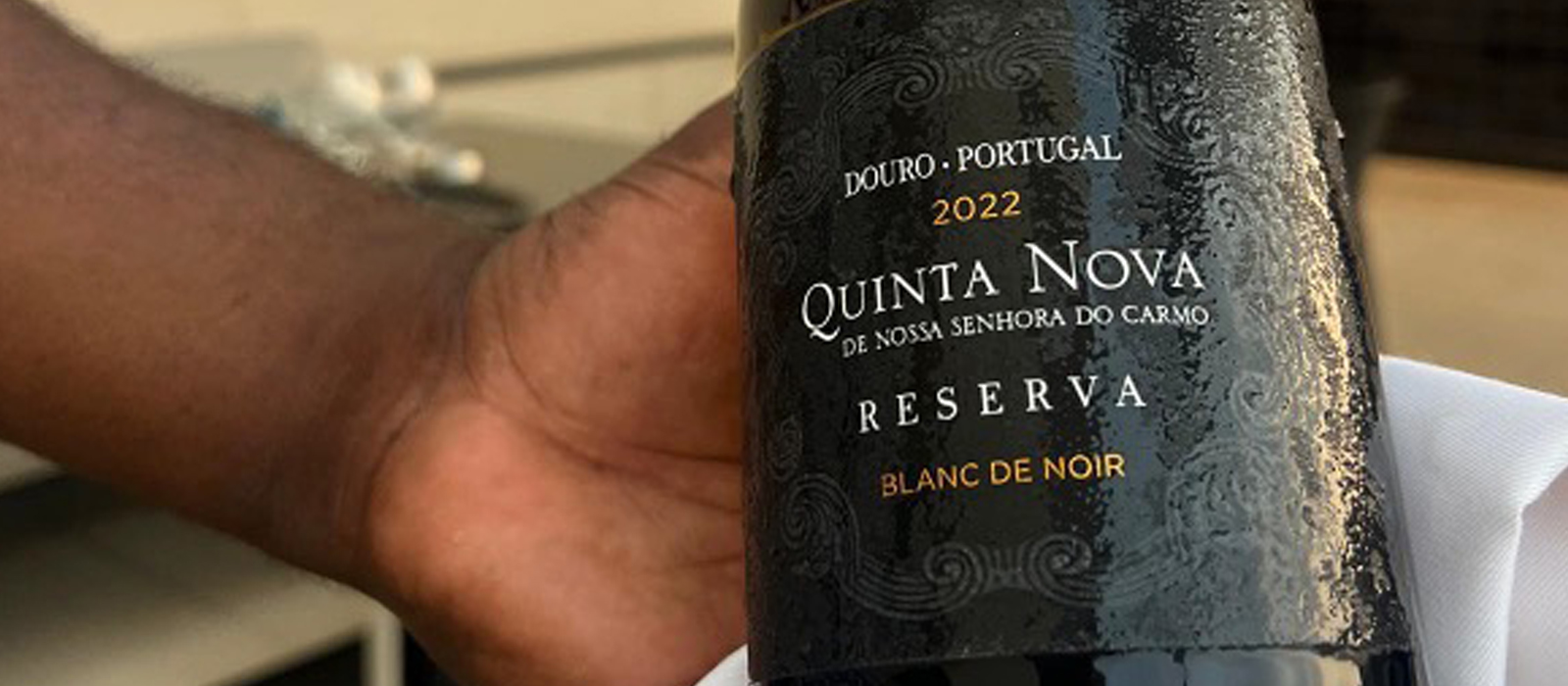
The airport is beautiful, huge and a good hour’s drive from the city center. Luanda officially has a population of 9 million. Portuguese is spoken and people hardly speak English. Many restaurants and clubs are located on the 12-kilometer peninsula in the middle of the city, on a bay. Restaurant Shogun is top, Café Del Mar is wonderful and so are many more restaurants where one can eat great food and enjoy high-level Portuguese wines. Compared to Namibian (for me peasant cuisine), the cuisine is more refined and much more elaborate. Lots of seafood and very good service.
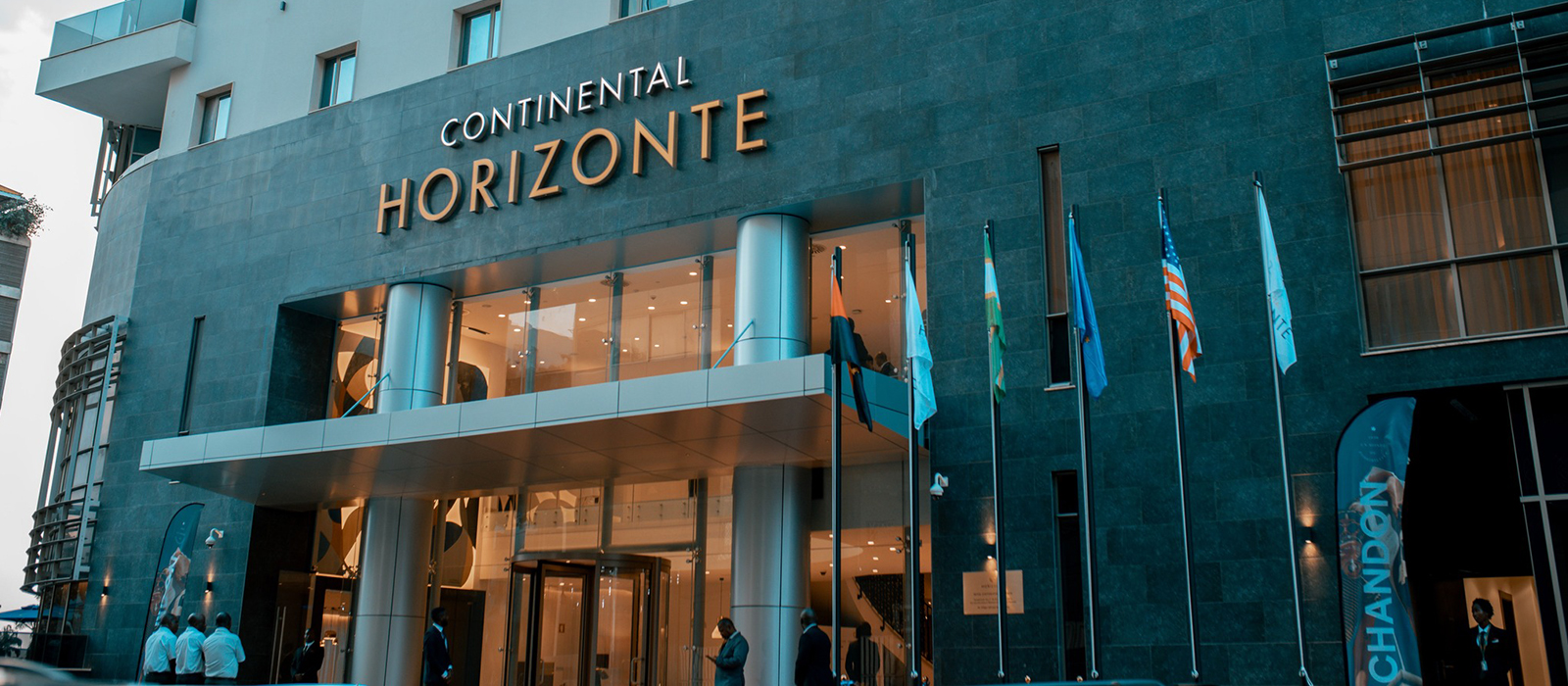
I spend the night at the corporate, international Continental Horizonte hotel. It is whispered to me that it is one of the best hotels in town.
The next day we had lunch at Casa de Sá, a top restaurant a 45-minute drive from downtown. Unfortunately, my flight to Menongue and thus our stay at Mumba Lodge – the most beautiful lodge in Angola – has been canceled. We fly instead in an hour and a half to Lubango, where we are picked up by the valet service of our next hotel; the bright red, on a large estate located Casper Resort. A typical classic hotel, again with exquisite Portuguese wines and good service.
LUBANGO
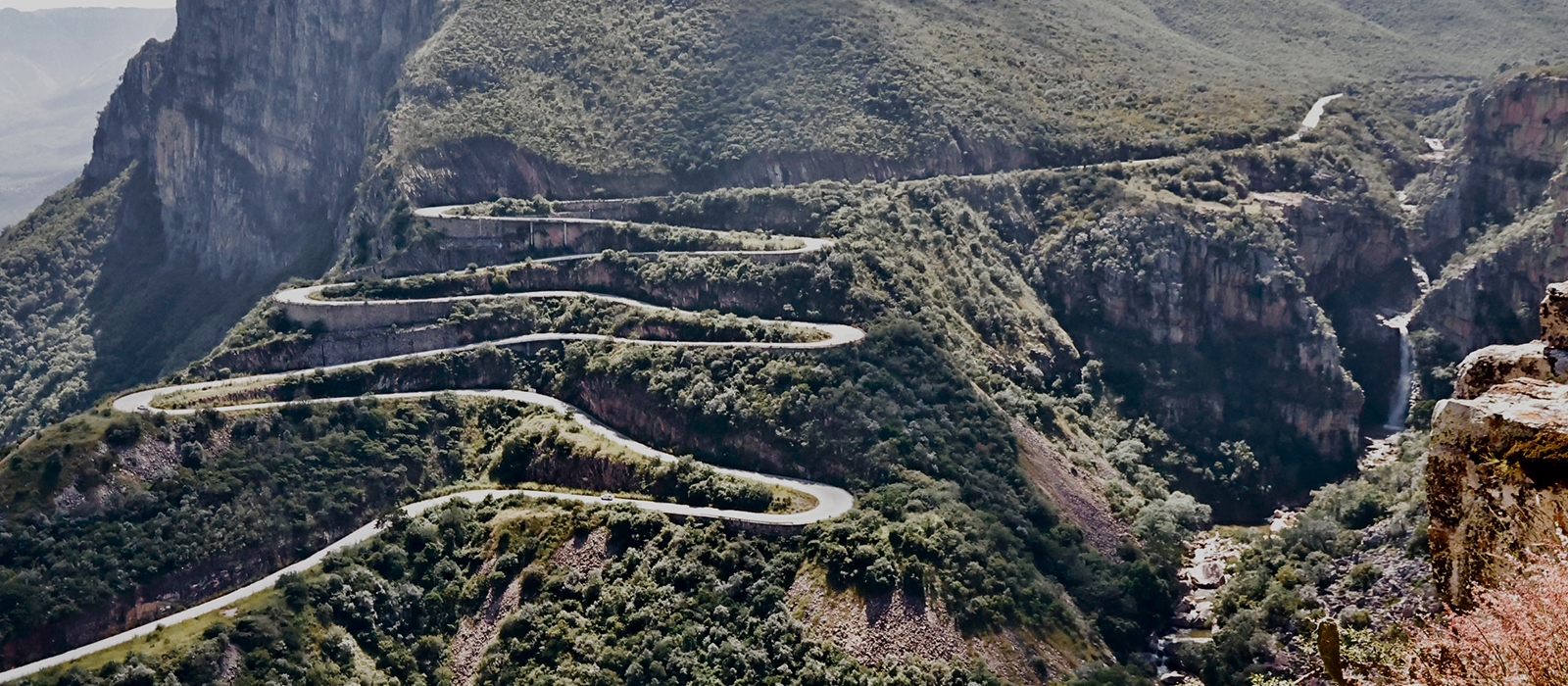
We are introduced to Lubango, a beautiful town surrounded by mountains now adorned in fresh green just after the rain. We drive 80km west to visit the Serra da Leba pass. This is the most iconic and most photographed point in Angola. The road that winds like a snake to the lowlands towards the coast, towards Namibe. There the greenery disappears before the desert and turns into a landscape similar to Namibia.
OVAMWILA
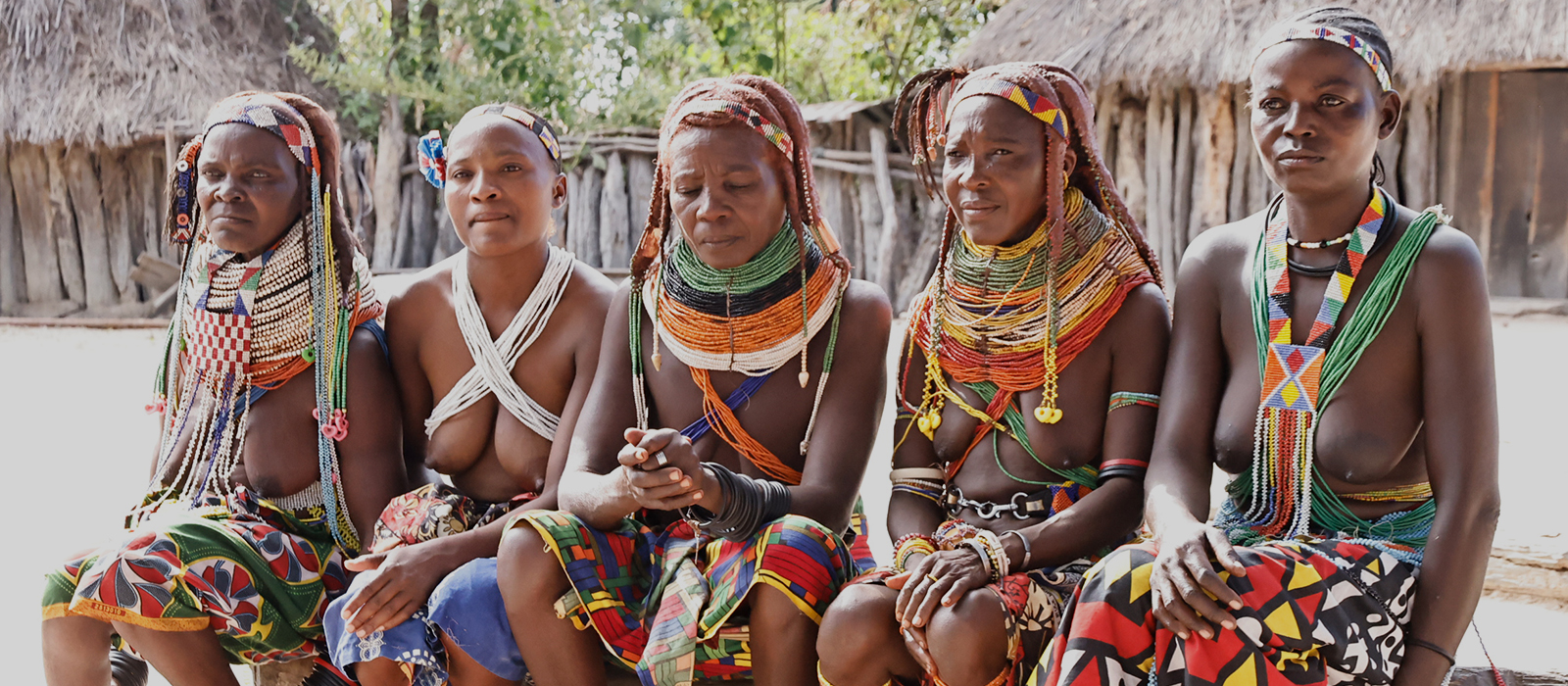
A day later we meet our local guide and leave early for the south. He knows the country and the routes inside out. He has extensive knowledge of all the regions, which adds tremendously to the quality and exclusivity of the trip. A good hour from Lubango, we encounter our first tribal experience and meet the semi-nomadic Mwila. Women’s hairstyles play an important role in Mwila culture and carry deep symbolic meaning. Women cover their hair with a red paste called oncula, which is made from crushed red stone. They also apply a mixture of oil, crushed tree bark, dried cow dung and herbs to the hair. Their hairstyles are further decorated with beads, cowrie shells – both real and plastic – and sometimes even dried food. Shaving the forehead is also considered a beauty ideal within the culture.
The braids, reminiscent of dreadlocks, are called nontombi and each has a specific meaning. Women and girls usually wear four or six nontombi; when someone wears only three, it is a sign that a death has occurred in the family.
ONCÓCUA
Then it is another five-hour drive before we reach Oncócua, a remote village in the Cucene region and one of the few places where tribal peoples meet at the market. There is nothing to see, it is a small town with a hospital and dust paths as roads. We are an hour and a half’s drive from Epupa Falls, Namibia.
There are six different tribes in the area. Since the guide has his own vehicles (always two, so there is always a “back up”), he takes us to the communities that live further from the town. Consequently, we are the only strangers in this area.
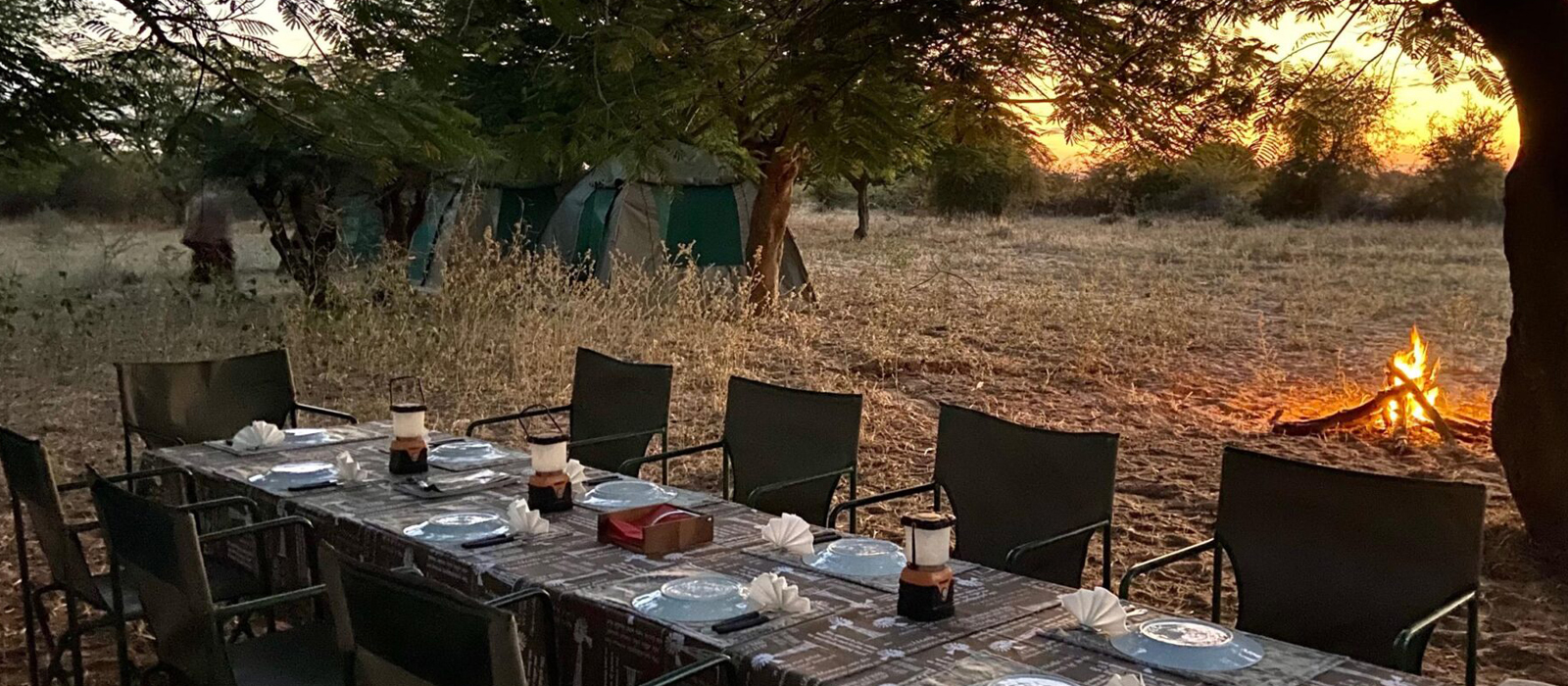
We arrive at our tent hidden under a huge tamarind tree. It is the base for visiting the Ovahakaona and Ovahimba. The tent is neatly equipped with a bucket shower and a long-drop toilet. The beds are solid with good mattresses. At night we hear several owls, such as the pygmy owl, beaded pygmy owl, barn owl and a European nightjar that doesn’t stop with its typical rattling call.
OVAHAKAONA
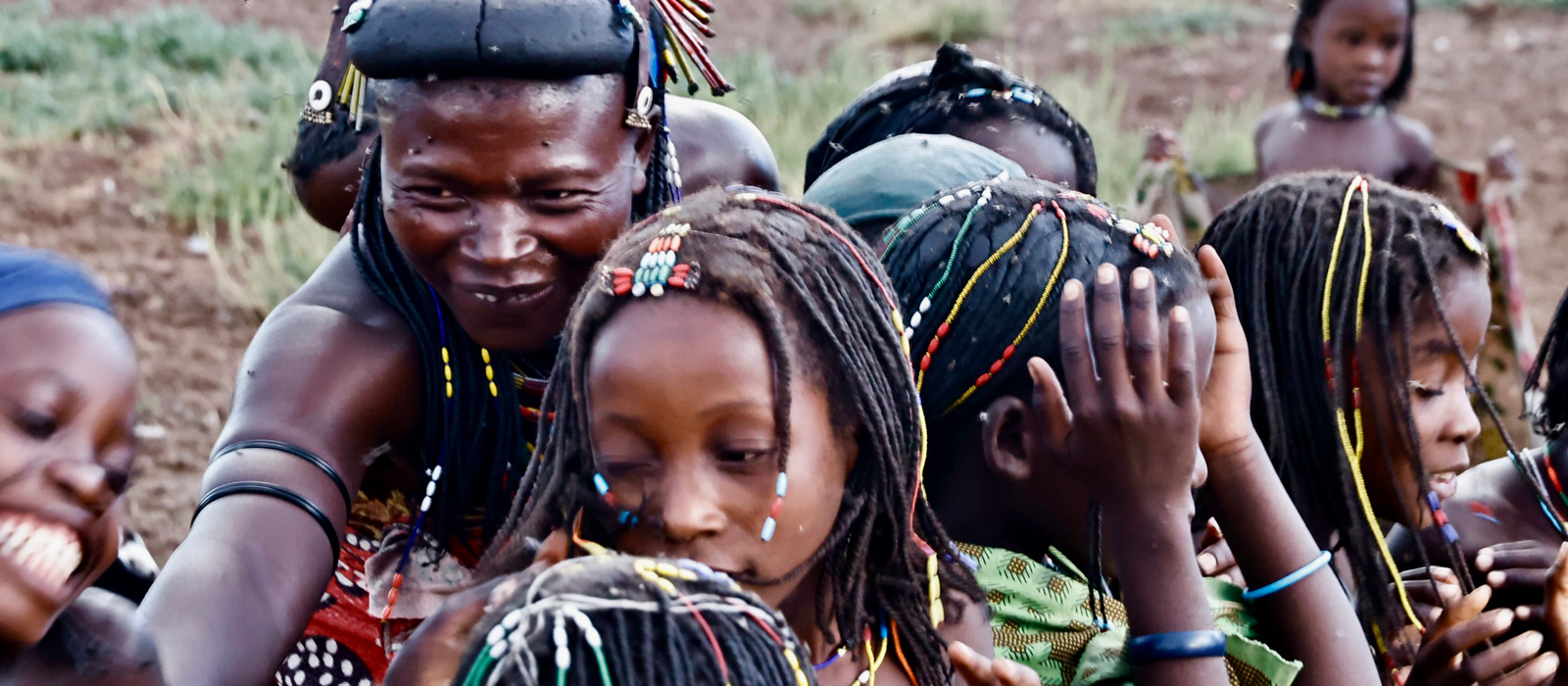
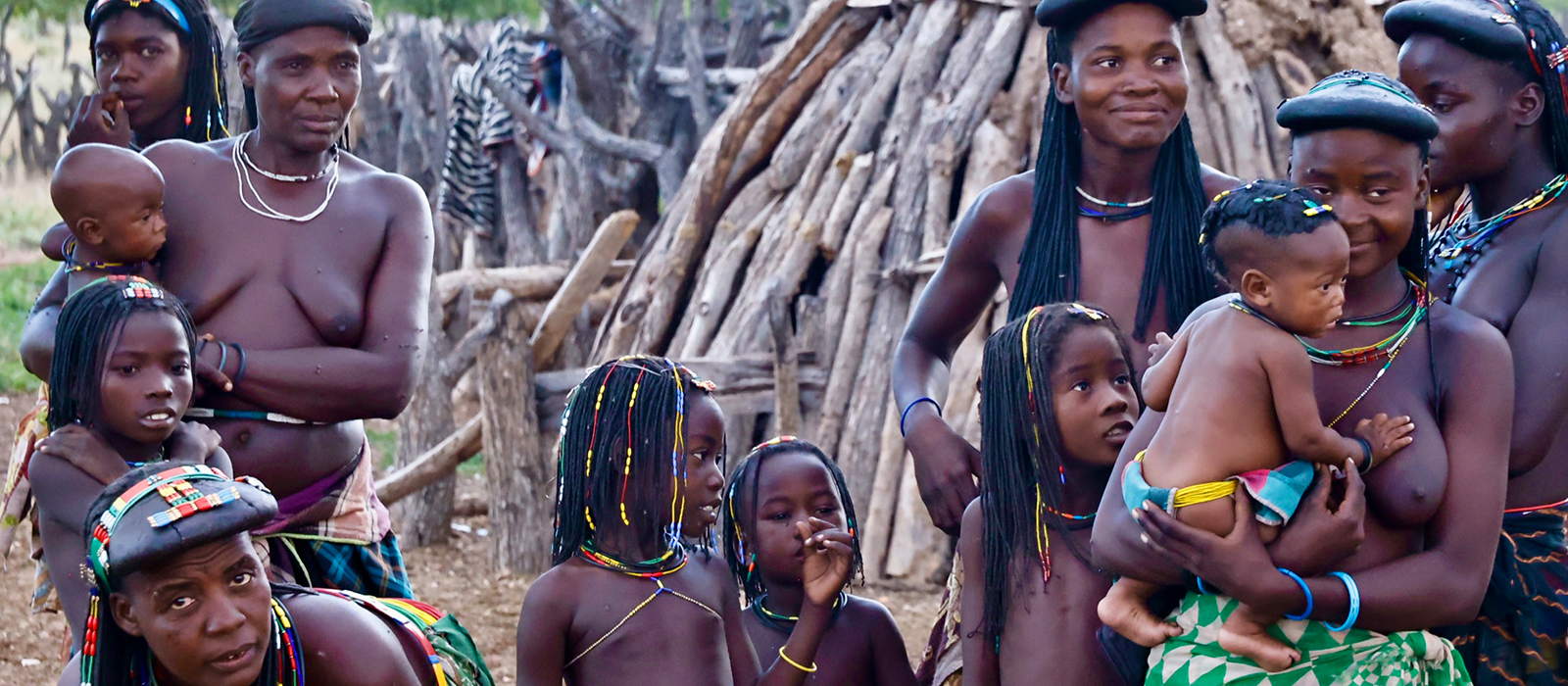
We visit the Ovahakaona, a relatively little-known but culturally strong semi-nomadic community, related to groups such as the Himba and Mwila. Their society largely revolves around cattle, which not only have economic value but also define status, identity and social relationships. Traditional rituals surrounding birth, coming of age and ancestor worship play a central role in community life and are deeply intertwined with their worldview. Their body adornment with beads and jewelry is somewhat more subtle. They also use functional hair greases or natural oils to protect hair from sun and dust.
 Ovahakaona
OVAHIMBA
We meet the Ovahimba, a semi-nomadic pastoral people from northern Namibia and southern Angola, known for their well-preserved traditional lifestyle. They are best known for the use of red ochre (otjize), with which women rub their skin and hair as protection against sun and drought and as a cultural symbol. Their hairstyles and jewelry have clear social significance and provide information about age, status and stage of life.
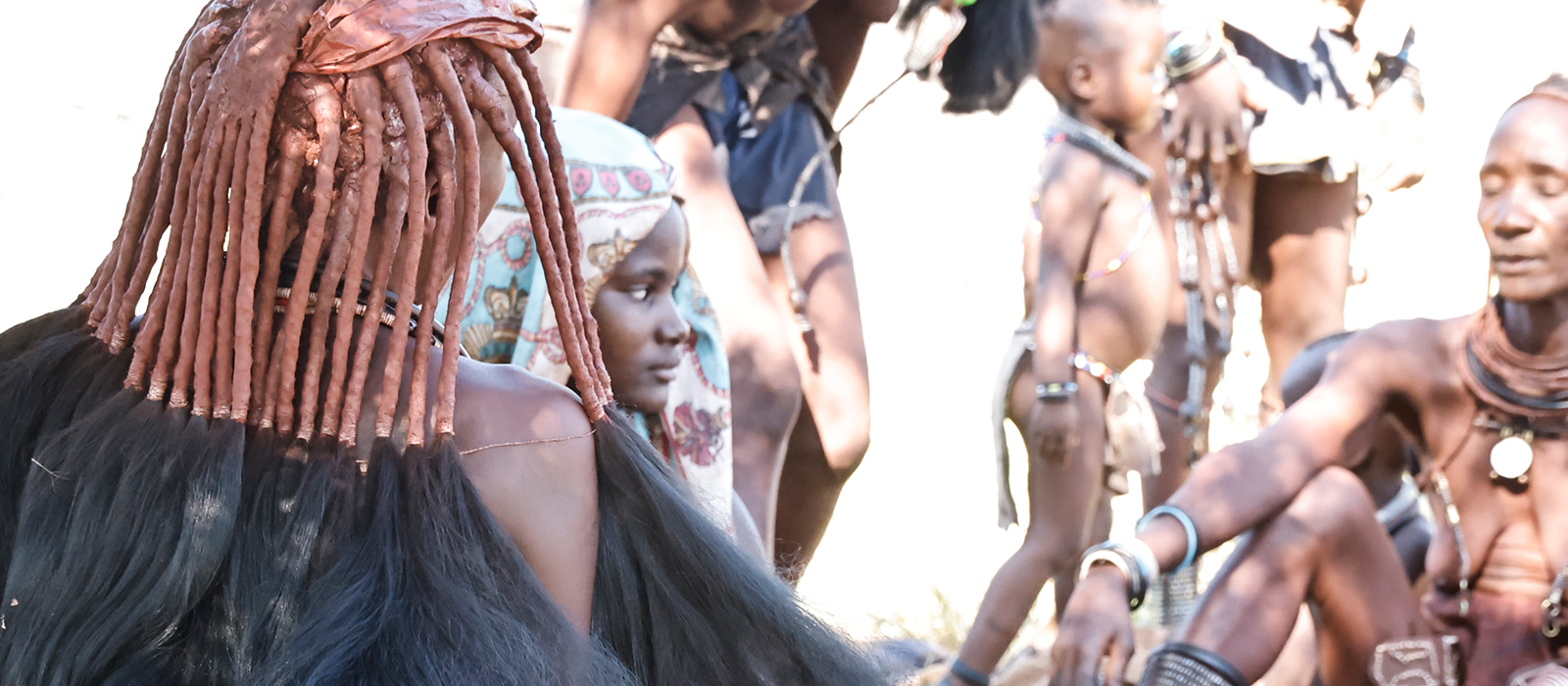
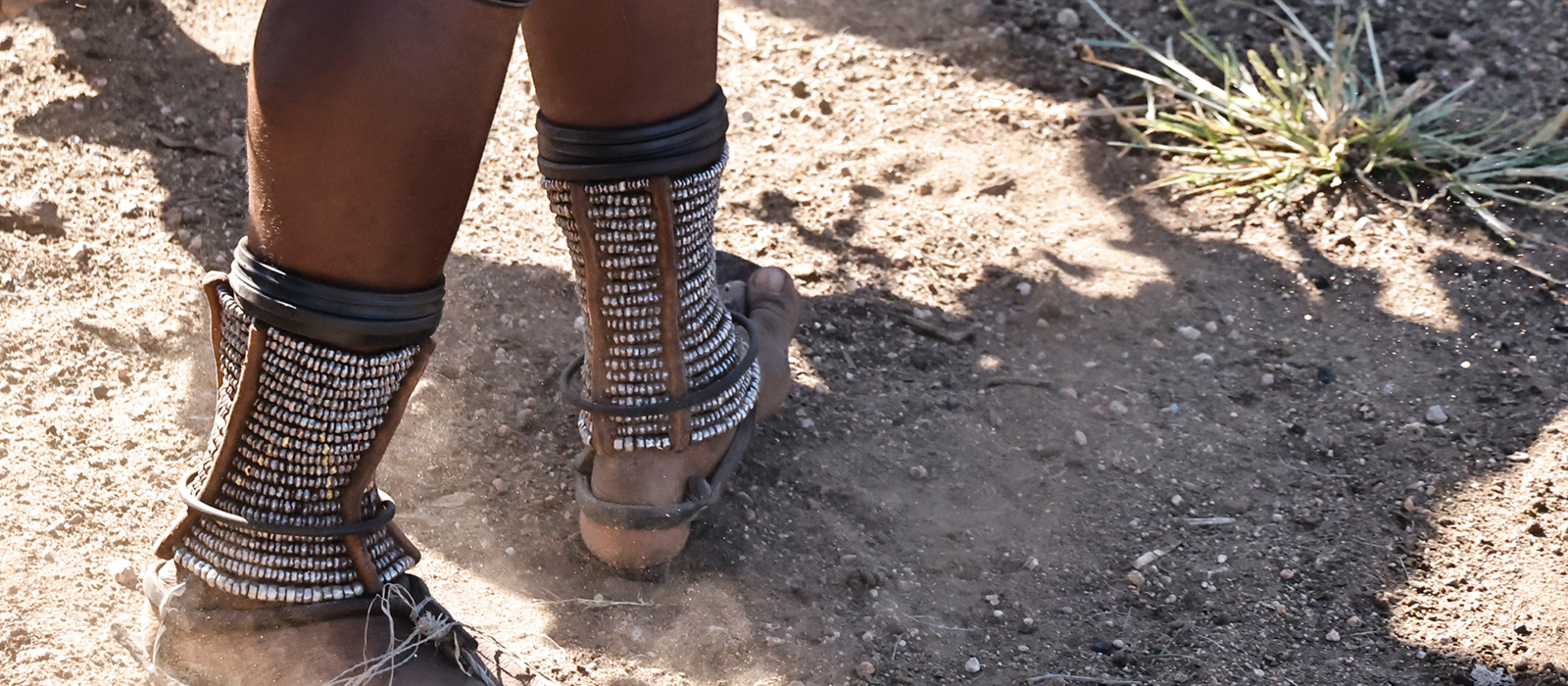 Ovahimba
OVAKUVALA
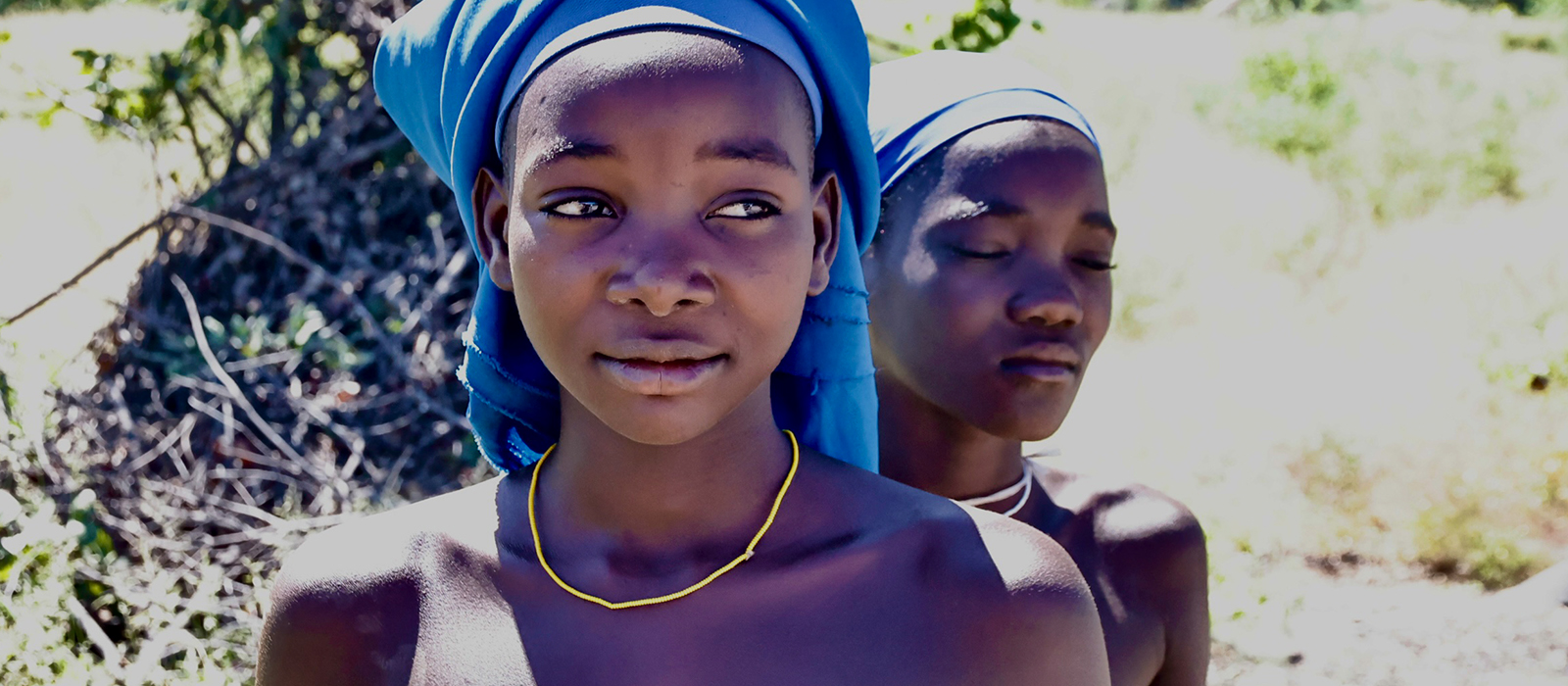
We return to Lubango and enjoy a “lazy afternoon. Then the journey continues west to Namibe which, over a reasonably good road, is a three-hour drive. The green forests make room for desert. It has rained exceptionally hard. The sand has given way to grass and a display of flowers rarely seen. We stop along the way for milk-selling Ovakuvala along the road. They turn out to be two sisters who love to pose.
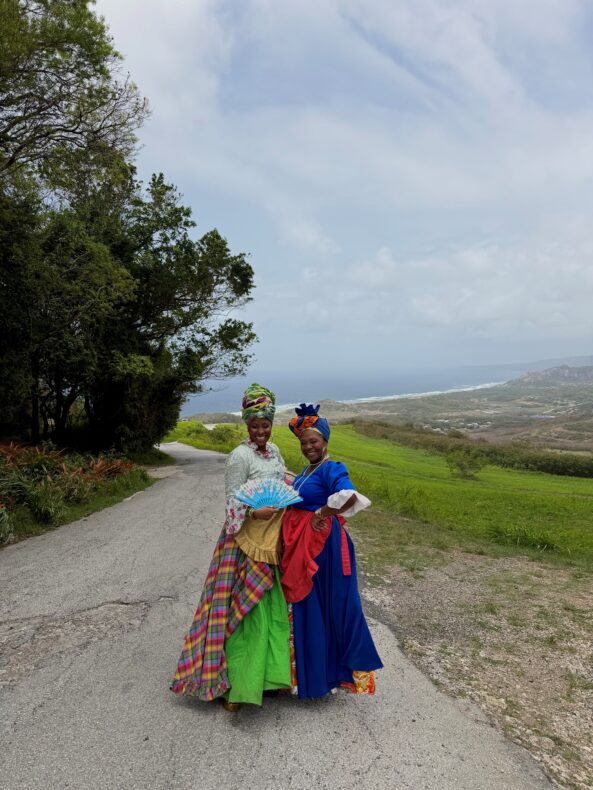
The Ovakuvale are also a semi-nomadic people where life still revolves around livestock, family and tradition.The women wear colorful cloths, heavy beaded necklaces and distinctive head ornaments that reflect their identity and social position.
FISHING TOWN NAMIBE
Arriving in fishing town Namibe, we immediately go to a Portuguese restaurant in the harbor. Again, great cuisine and top wines. We stay at the business-like Yoni hotel characterized by large rooms with high ceilings. It has everything you could want and, although not in the center, is the best choice in Namibe.
TOMBWA AND IONA NATIONAL PARK
The next day we head for Tombwa, the last town before there are no more roads to the border with Namibia and the main gateway to Iona national park. Tombwa, like so many towns in Angola, is rich in magnificent colonial buildings that are languishing. Along the way we visit the beautiful wind-sculpted rock formations of Colinas do Curoca and the protected Lagoa dos Arcos oasis. Once again we see no other tourists. Because the area is remote we are again with a “back up” vehicle.
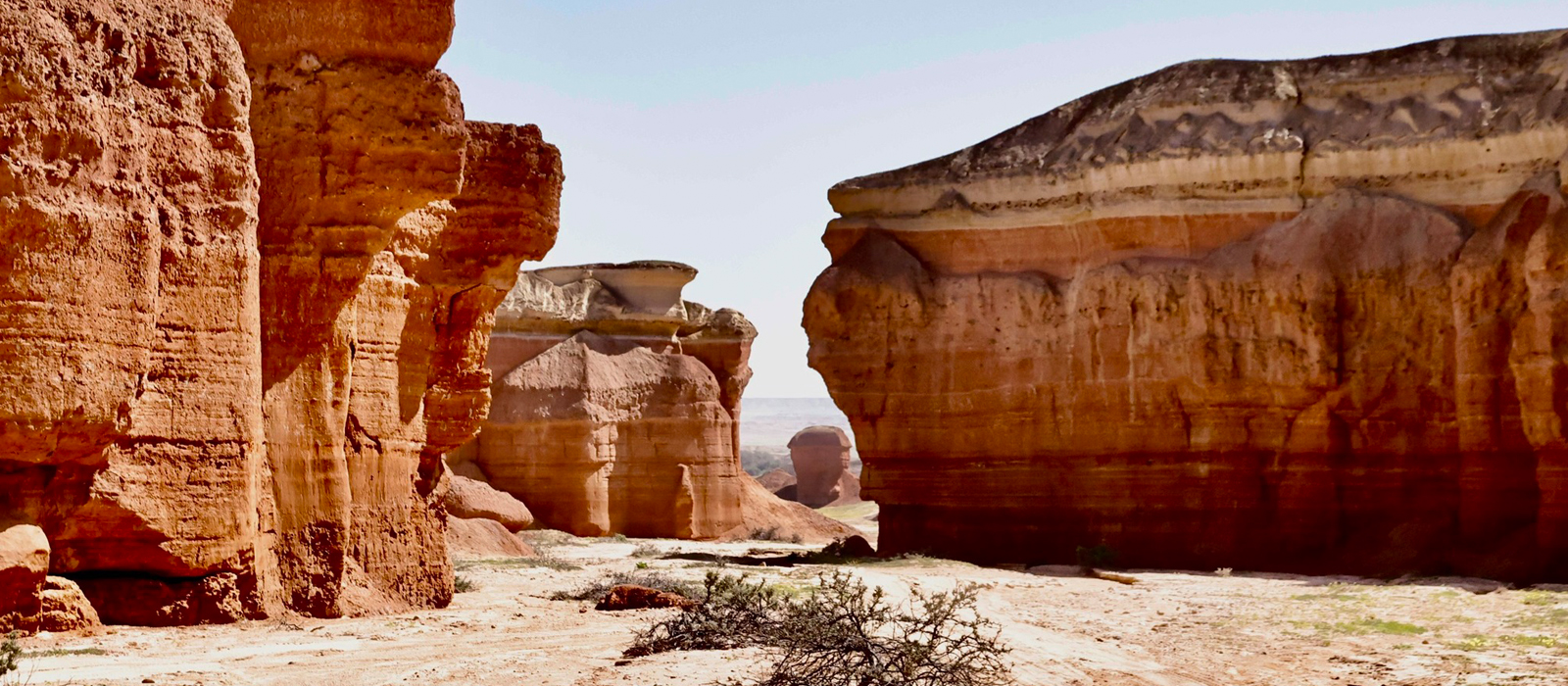
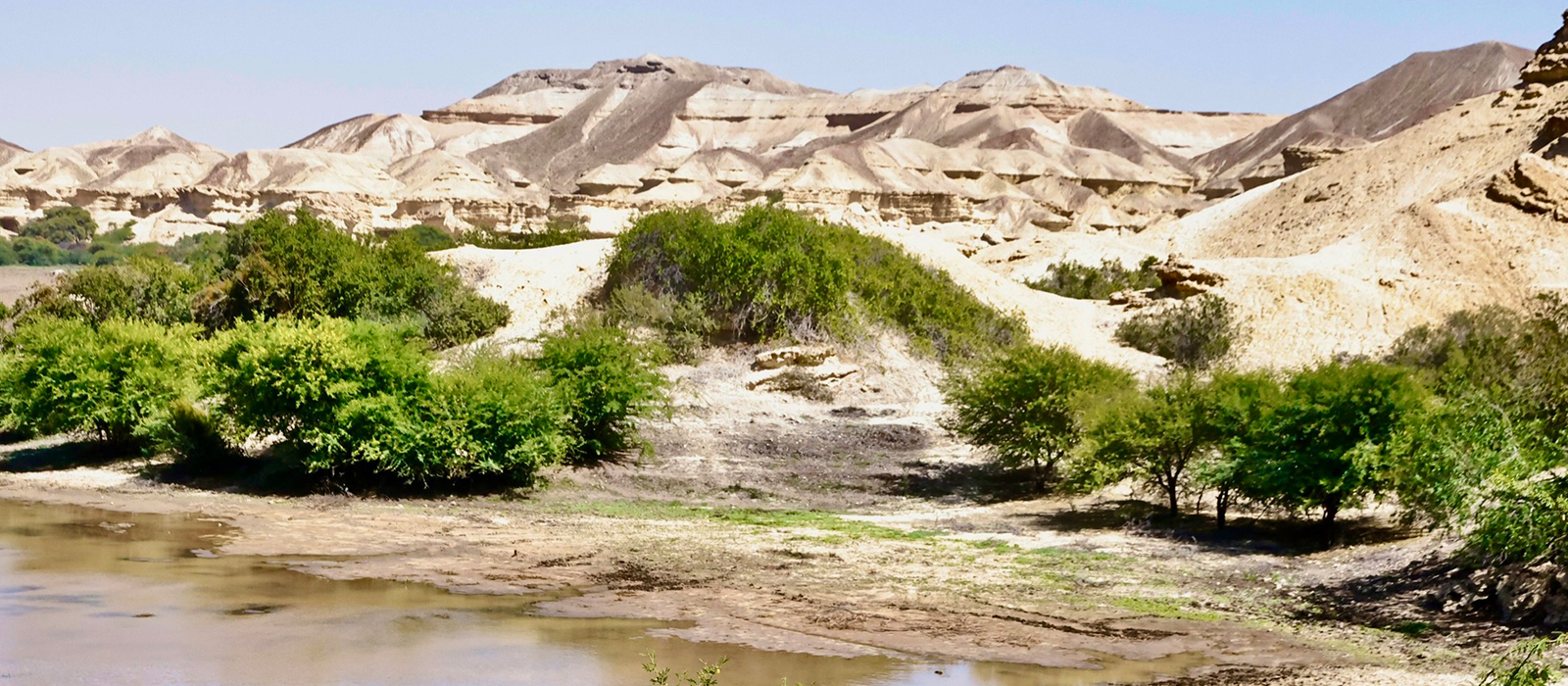
Once we arrive in Tombwa, we eat at restaurant Margolf. The interior is like an old movie theater. Here we enjoy an excellent lunch of mostly fish and shellfish, after which we return to our hotel in Namibe.
THE KINGDOM OF CHOKWE
Back in the capital, we indulge in several restaurants, with Pimm’s and Shogun being the top ones. We visit some more art galleries, which is definitely recommended. We stayed again in Continental Horizonte before flying back to Johannesburg: the end of an amazing trip. I will always remember the beautiful landscapes as well as the still quite authentic tribes. I definitely want to return to visit the northeast, the realm of the Chokwe. And of course to still visit the Mumba lodge, because safari is in its infancy here.