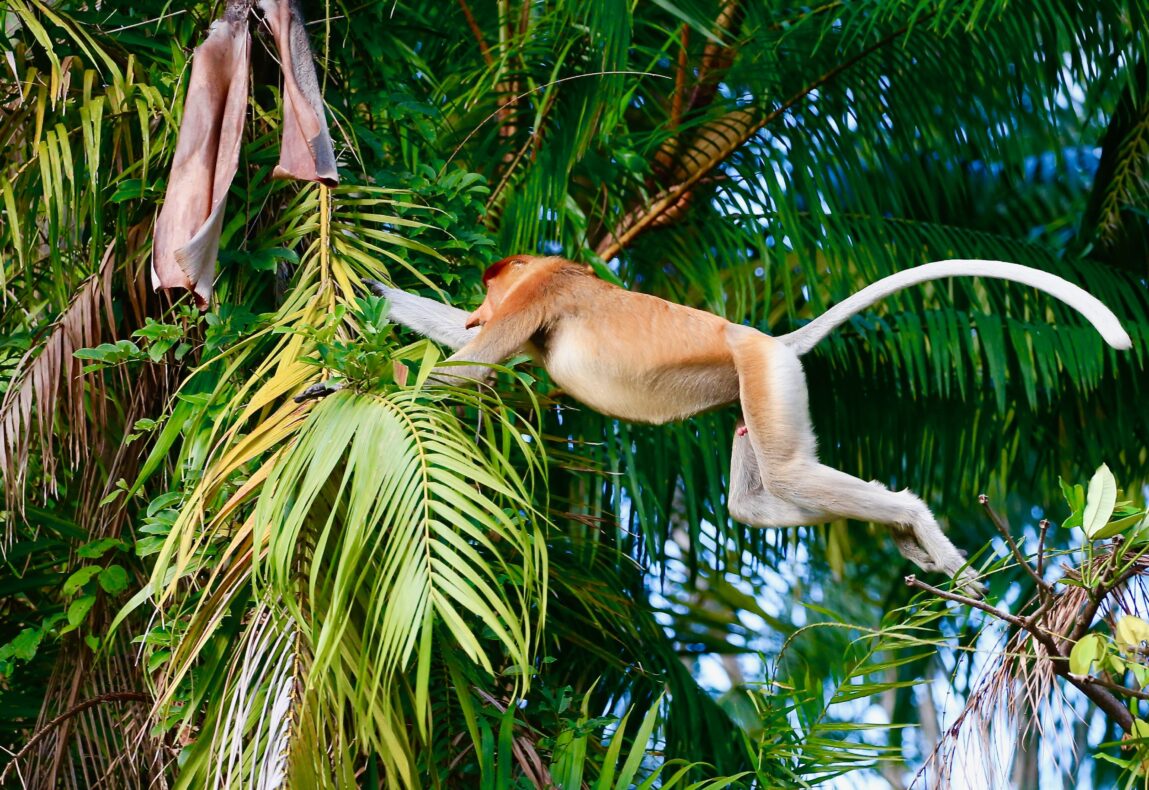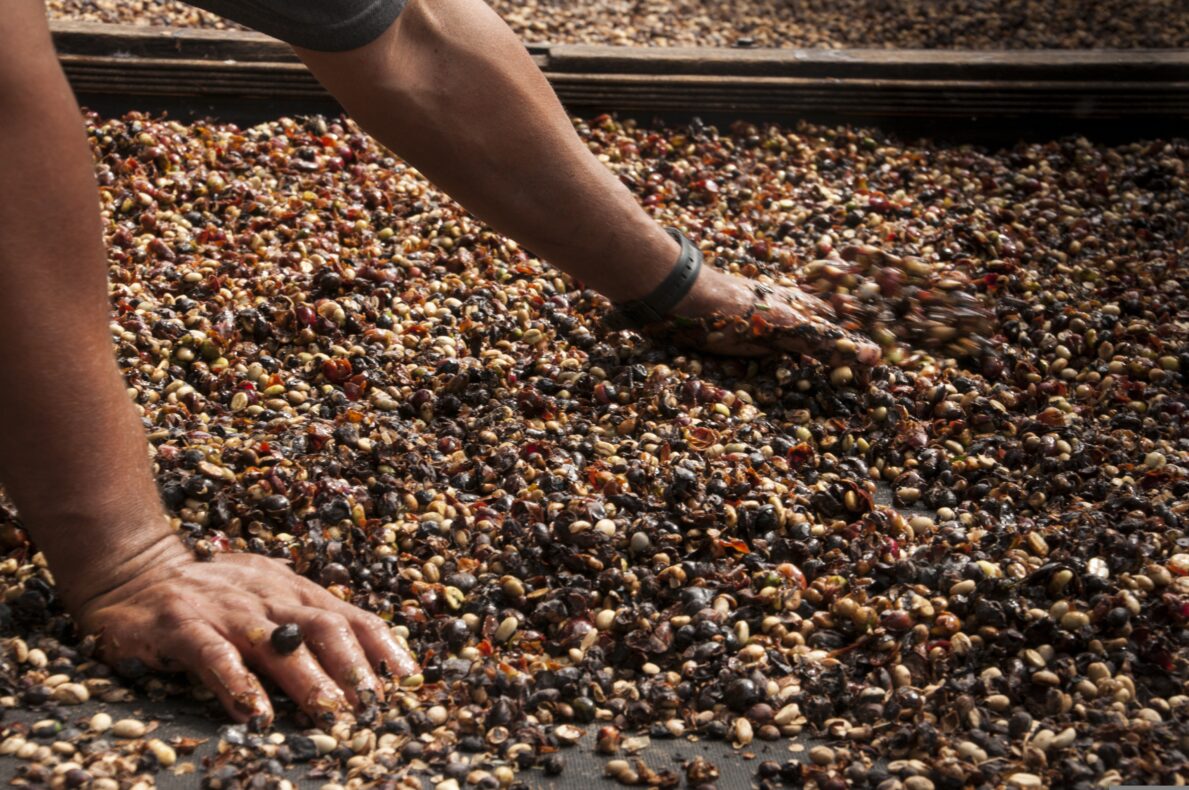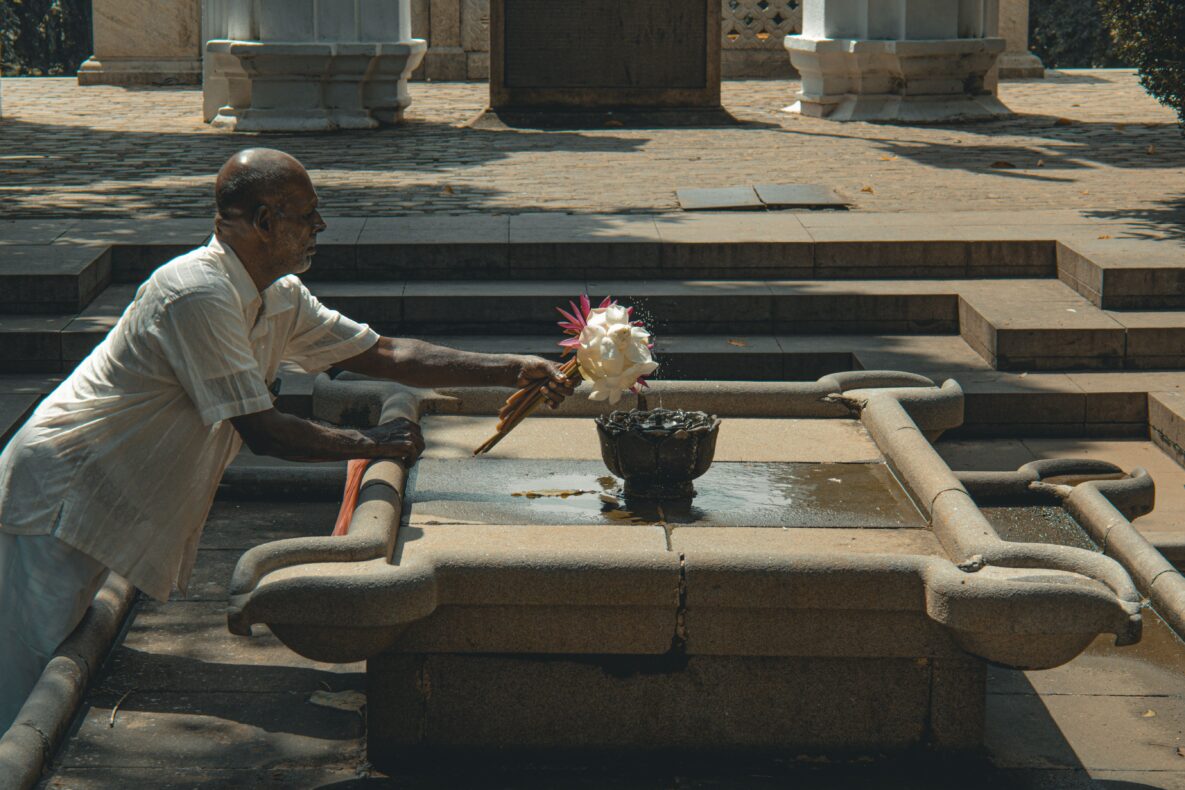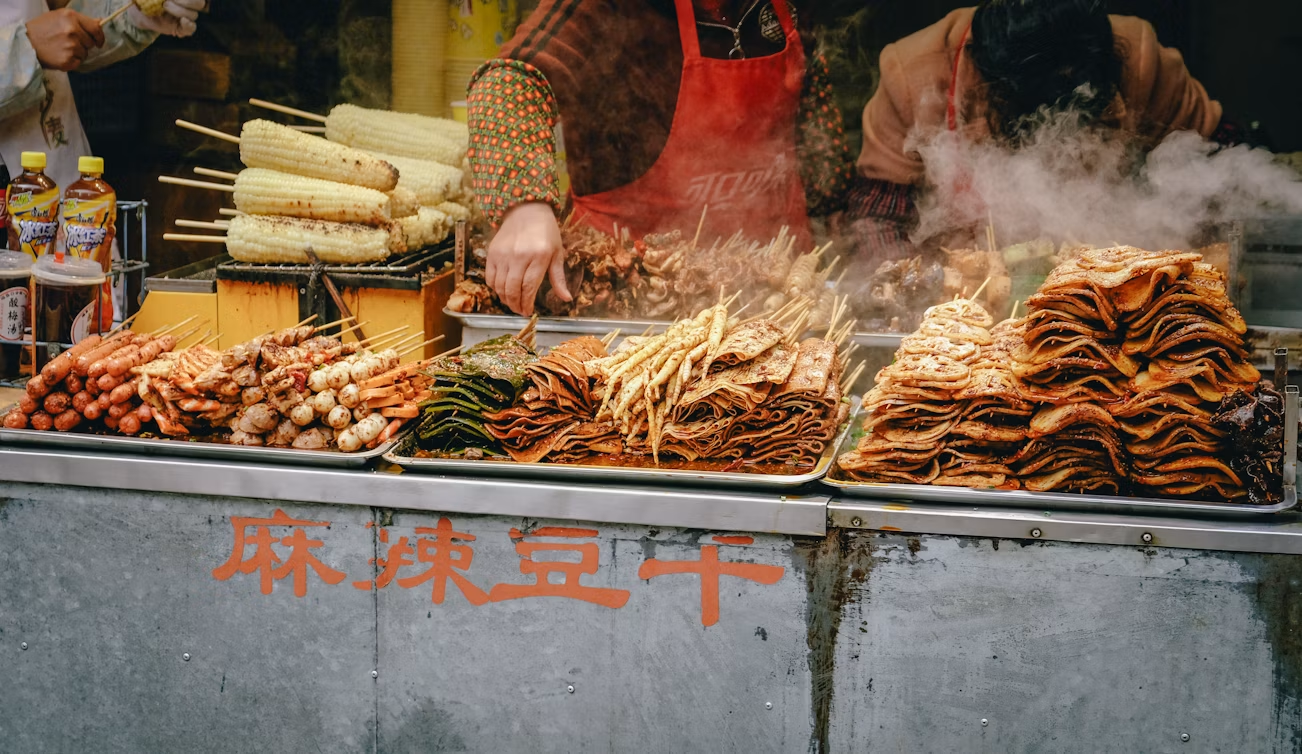
Don’t have any vacation plans this year and want to get away from the crowds? Then consider islands full of contrasts: from spicy scents in narrow streets to quiet bays where nature sets the tone. From tropical rainforests full of life to volcanic landscapes and rugged mountain peaks that disappear into the clouds. And from colonial influences to colorful markets where local life takes place. These are our top 10 Island Escapes: islands, each with its own identity, where landscape and culture combine to form a unique story. Where the world can’t find you…
1. Zanzibar
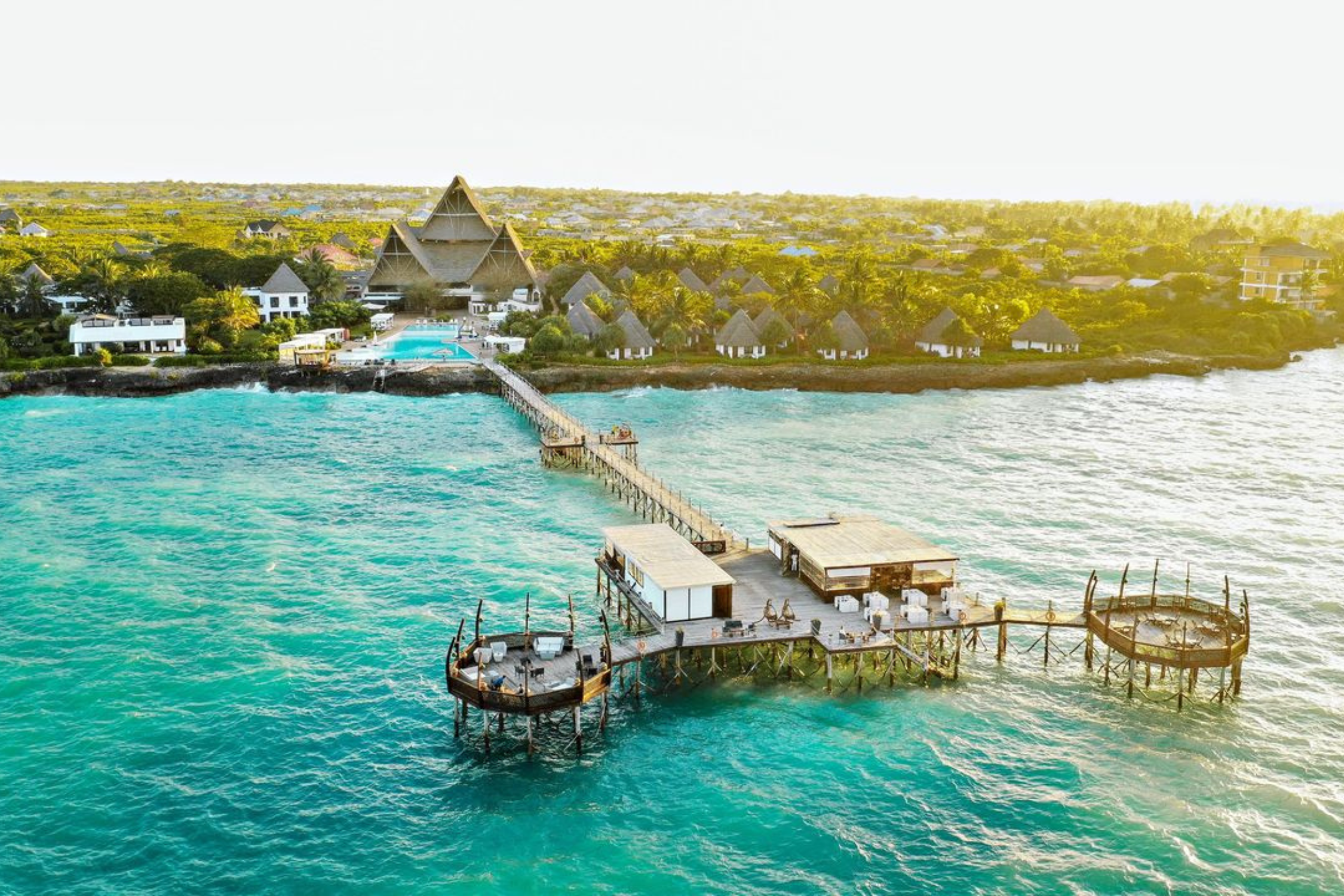
An exhilarating journey through Tanzania can be relaxed with a stay on tropical Zanzibar. The island is a melting pot of Arab, African, Indian and European influences. Stone Town is highly recommended, where it seems as if time has stood still in the narrow alleys lined with historic buildings. Veiled women stroll by and outside the town the air fills with the scent of various spices. Not for nothing is Zanzibar also called the “spice island. The coast is fringed by white beaches that turn into clear blue waters, inviting relaxation and snorkeling.
2. Sao Tome and Principe
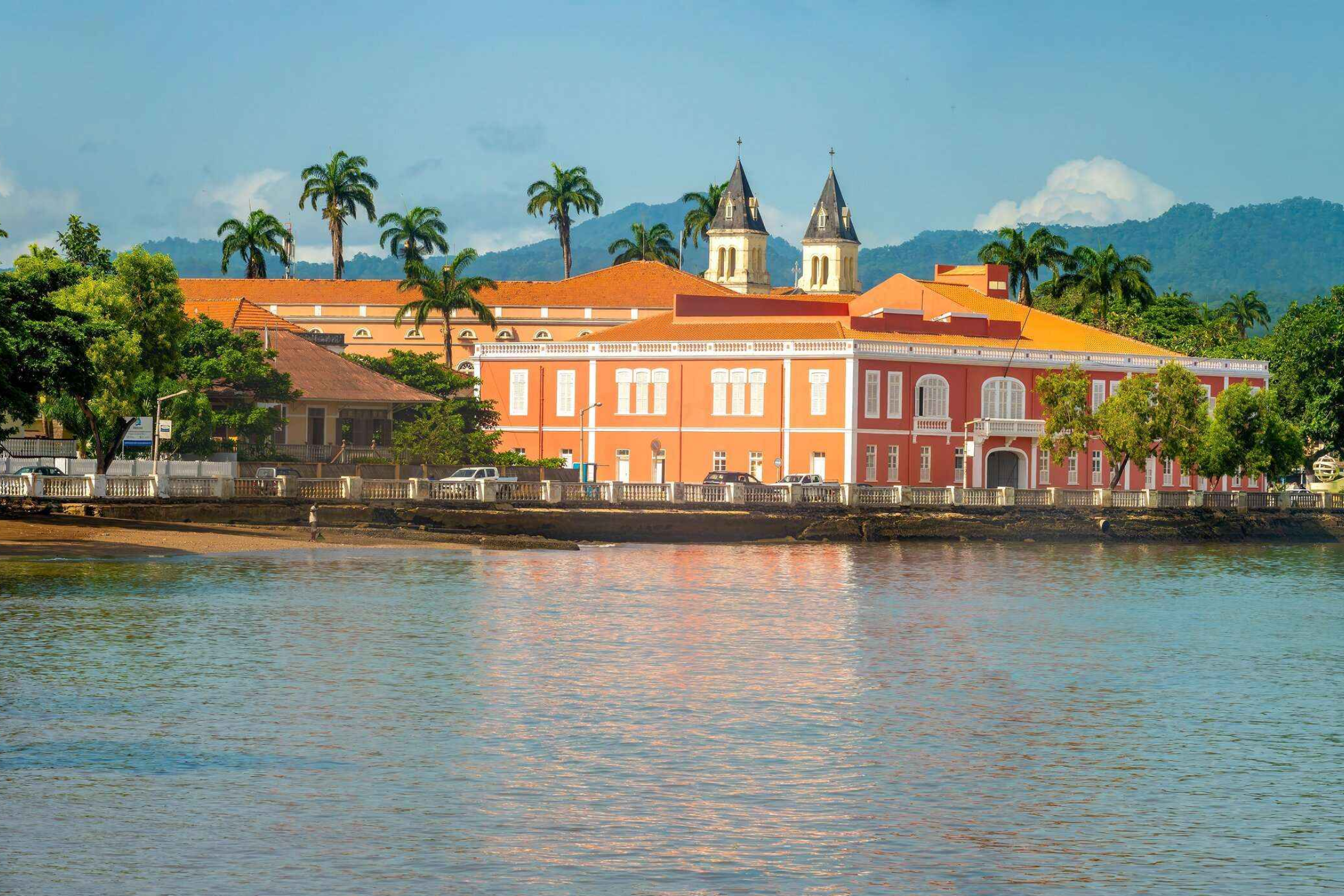
Although they make up the smallest country in Africa with four other islands, Sao Tome and Principe have many nicknames. For example, “Islands of the Middle of the World” refers to their location on the equator and “Chocolate Islands” to the cocoa production that was once the largest in the world. The volcanic islands have much to offer visitors: paradisiacal palm beaches, blue-green seas with crystal-clear waters and rich marine life, and virgin jungles filled with native plants and animals. There is also a volcano of over two thousand meters that can be climbed, and plantations where cocoa, coffee, vanilla, bananas and other tropical fruits grow.
3. Reunion
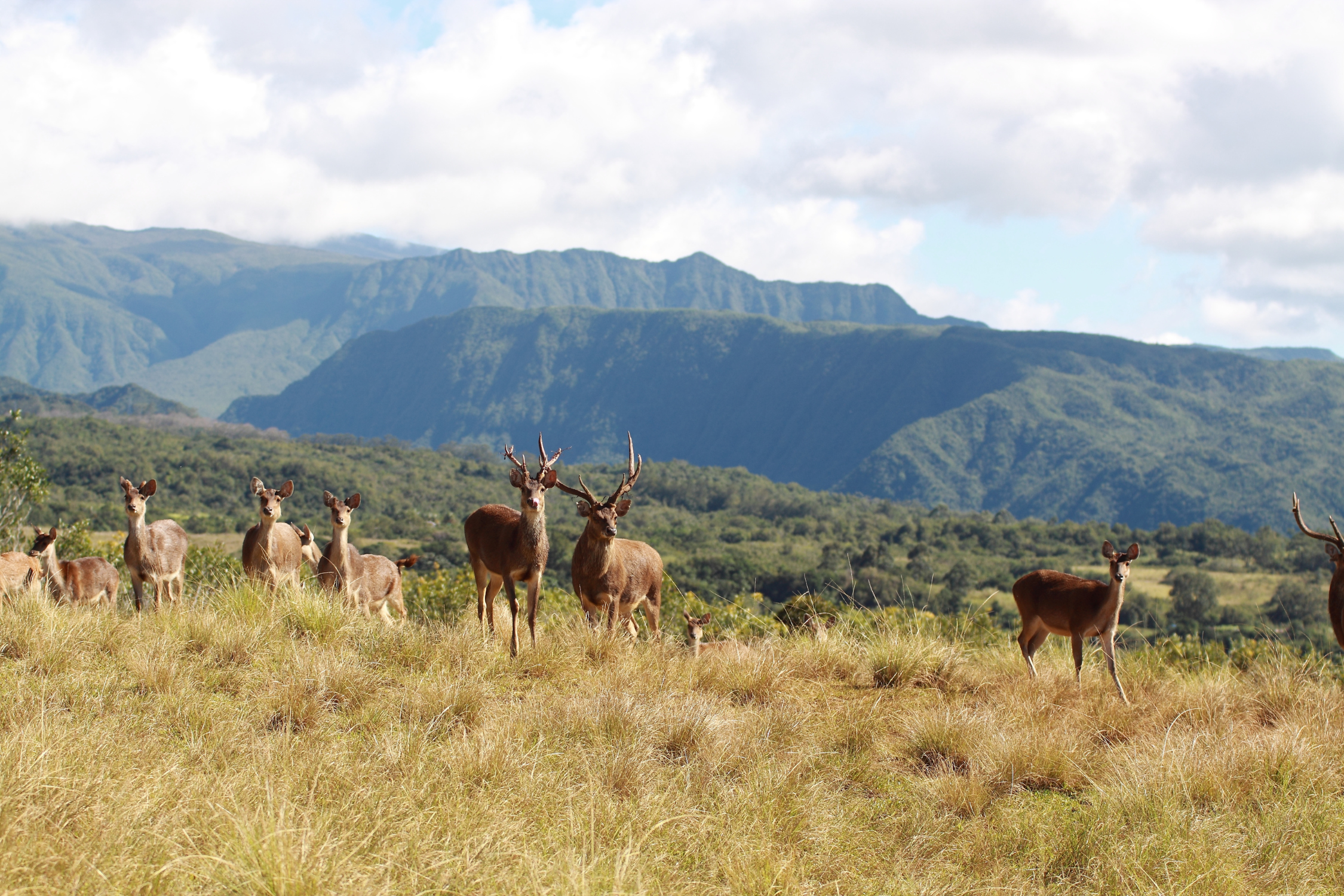
Its mountain ranges, valleys and canyons have earned Reunion the nickname “Switzerland in the tropics. The prosperous island in the Indian Ocean therefore attracts many mountaineers and (mountain) hikers. They follow the Grande Randonnée, the marked long-distance hike that runs across the island, or climb the more than three thousand-meter Piton des Neiges and the Piton de la Fournaise. The more than a thousand different plant species and primary primary forest in Saint Philippe Mare Longue Nature Reserve are favorites of nature and bird lovers. The extensive road network and European-level amenities invite you to rent a car and explore this rugged volcanic island on your own.
4. Saint Lucia
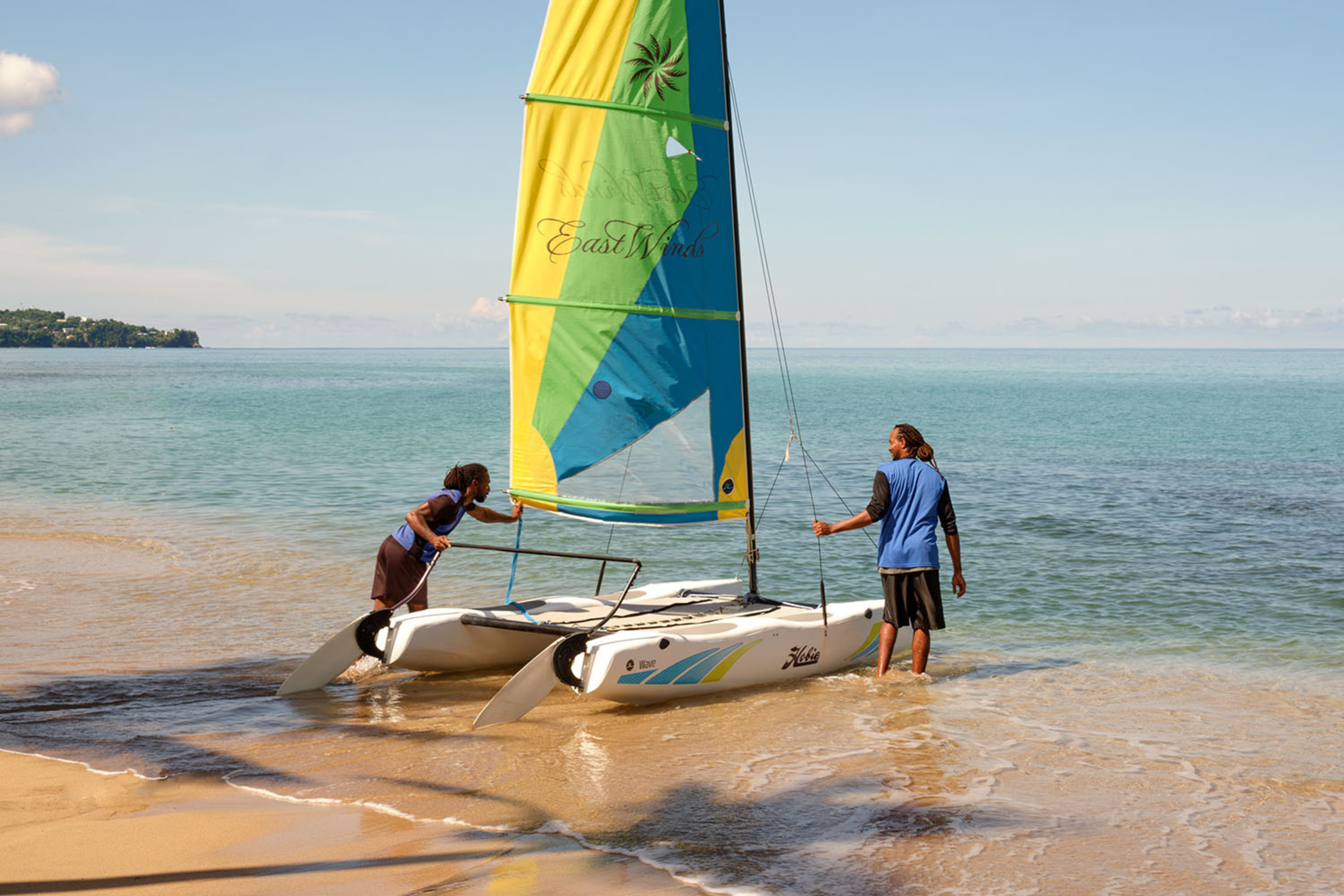
St. Lucia is characterized by lavish natural beauty formed by beaches, jungle-clad waterfalls, volcanic cones and mountains. In the north, it’s all about relaxing in the stunning Rodney Bay, while in the south, French-colonial Soufrière awaits, in a region of ancient plantations, hidden coves and the photogenic Pitons. The Qualibou volcano is known as the world’s only drive-in volcano. It last erupted 40,000 years ago and then collapsed. Also worth a visit is the mineral-rich Diamond Waterfall, where water and rocks constantly change color due to the mineral content decreasing and increasing. The cuisine has international influences and is known for its culinary traditions with spicy dishes and fresh fish.
5. The Galapagos Islands
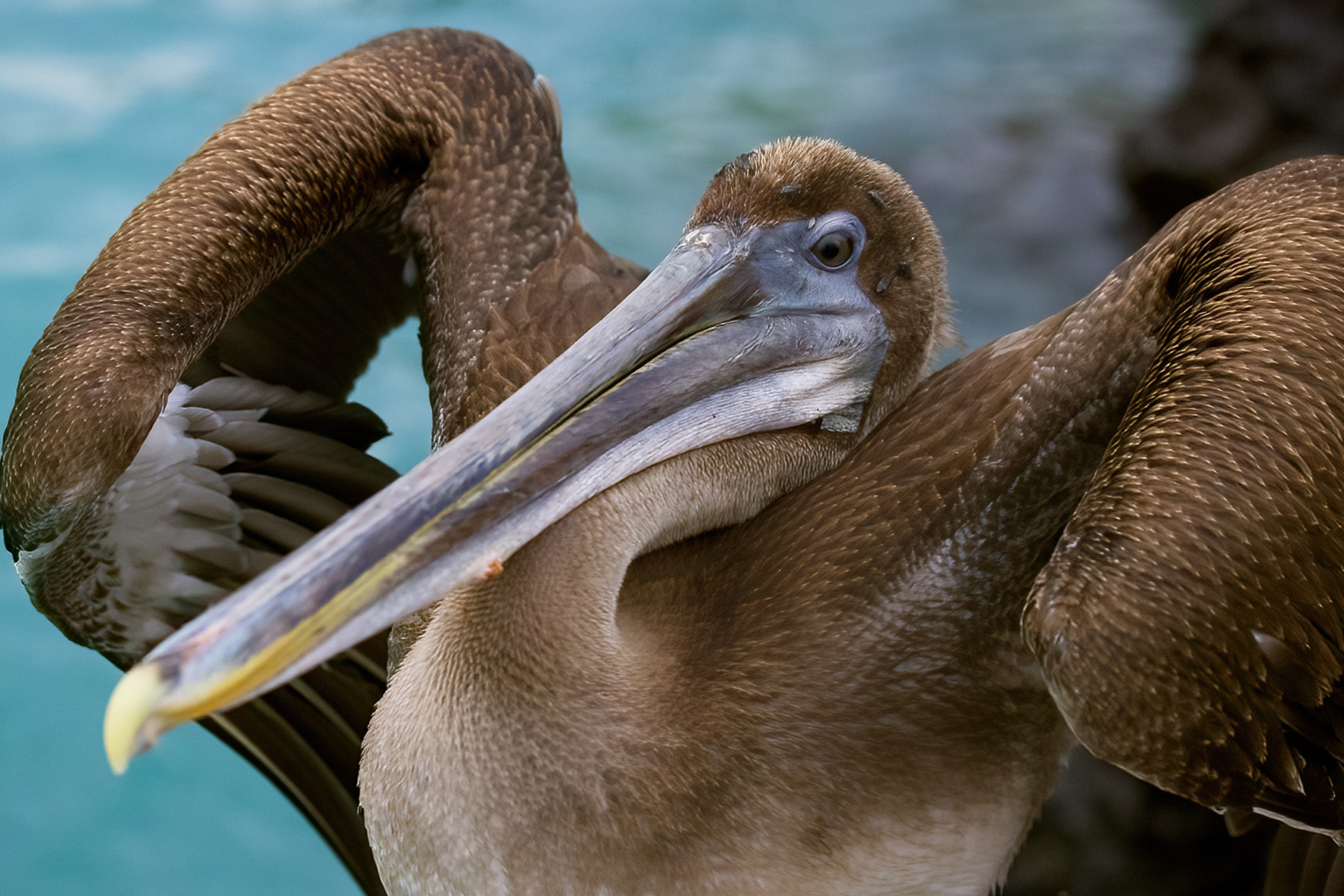
Located west of Ecuador, the Galapagos Islands are known for their many unusual animal and plant species found nowhere else on Earth. The animals there are not shy of humans, making it possible to see them up close. This makes it one of the few places in the world where you can get up close and personal with giant tortoises, iguanas, sea lions and many endemic bird species, such as blue-footed boobies, frigate birds, cormorants, albatrosses and even penguins. The best way to explore the Galapagos is by cruise, which includes swimming or snorkeling among sea lions, sea turtles and colorful fish.
6. Azores
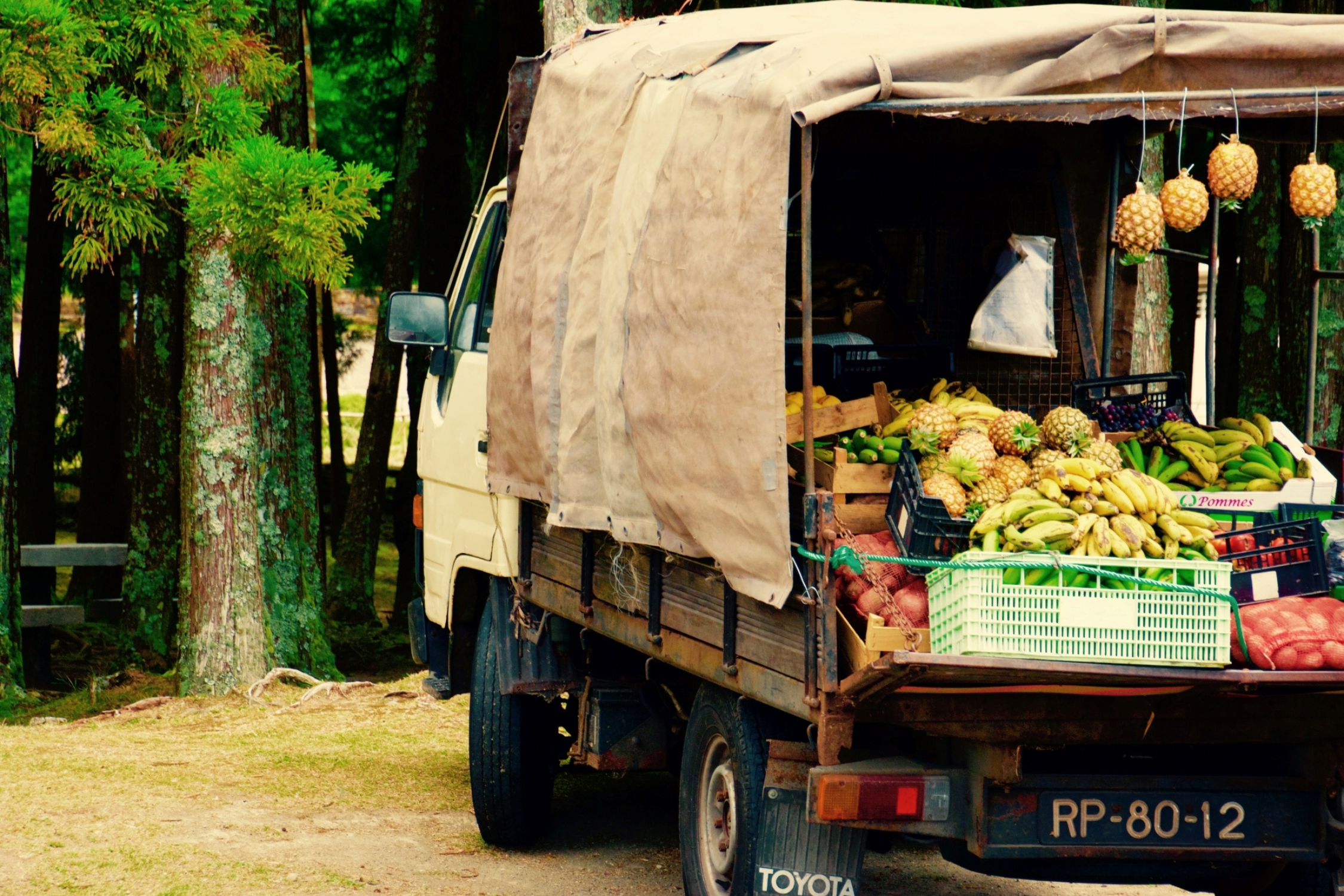
The Azores are a subtropical archipelago off the west coast of Portugal, consisting of nine major islands and a number of small satellite islands. Part of the region’s charm lies in its mix of dialects and culinary traditions. In addition, the landscapes are known for their beauty, with volcanic peaks, green hills full of flowers, shimmering lakes and deep blue bays. São Miguel is the largest island and is also known as the “green island” due to its lush landscape. Other highlights of the archipelago include the historic port city of Angra do Heroísmo on Terceira, the vineyards of Pico (UNESCO World Heritage Site) and the golden coast of Santa Maria. The islands are popular with hikers, divers and sailors.