Anyone traveling to the polar regions quickly thinks of penguins in the south or polar bears in the north. Understandable, but the animal life in these regions is much richer and versatile. The white landscape is home to animal species that have adapted to the extreme conditions of the areas. In this overview, we focus on unique species typical of the respective area, including the best travel time to observe them in the wild. Where the world can’t find you…
1. Antarctica (South Pole) – The Sea Leopard
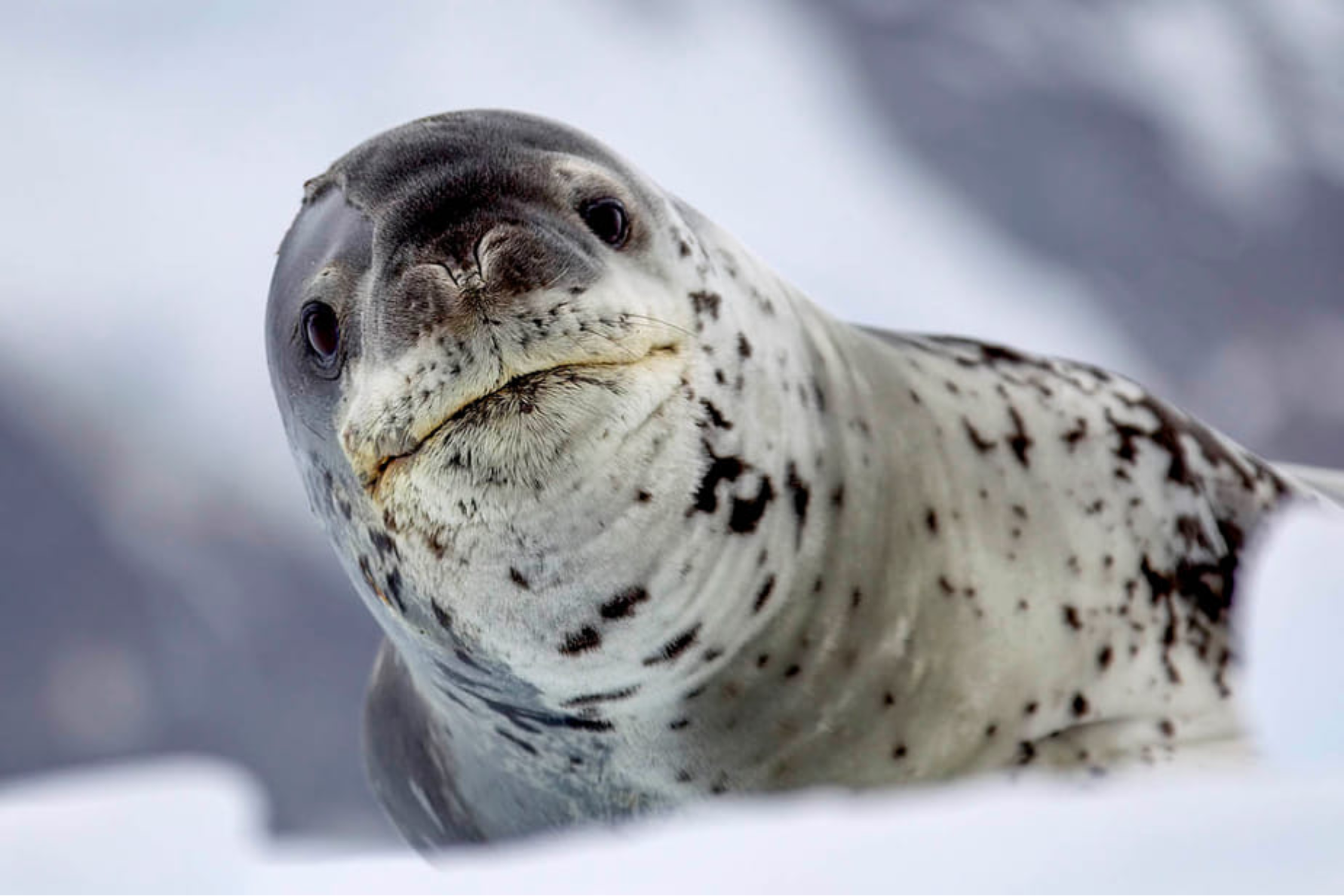
Antarctica is home to one of the Antarctic’s most impressive predators: the leopard seal. This animal hunts penguins, seabirds and young seals and is known for its strength and agility in the water. With a slender, streamlined body and powerful jaws, the animal is more reminiscent of a reptile than a mammal. During the Antarctic summer season, the leopard seal regularly shows up on ice floes along the coast, often near breeding colonies. The best travel time to spot a leopard seal: from December through February.
2. Svalbard (North Pole) – The Herring Gull
Svalbard is home to one of the few bird species that live year-round within the Arctic Circle: the ivory gull. This bird nests on remote cliffs and is often found near polar bears, opportunistically taking advantage of prey left behind. Its white plumage makes the ivory gull barely noticeable in the snowy landscape, but its behavior makes this species special to observe. The best travel time to spot the ivory gull: from July through August.

3. Greenland (North Pole) – The Arctic Hare
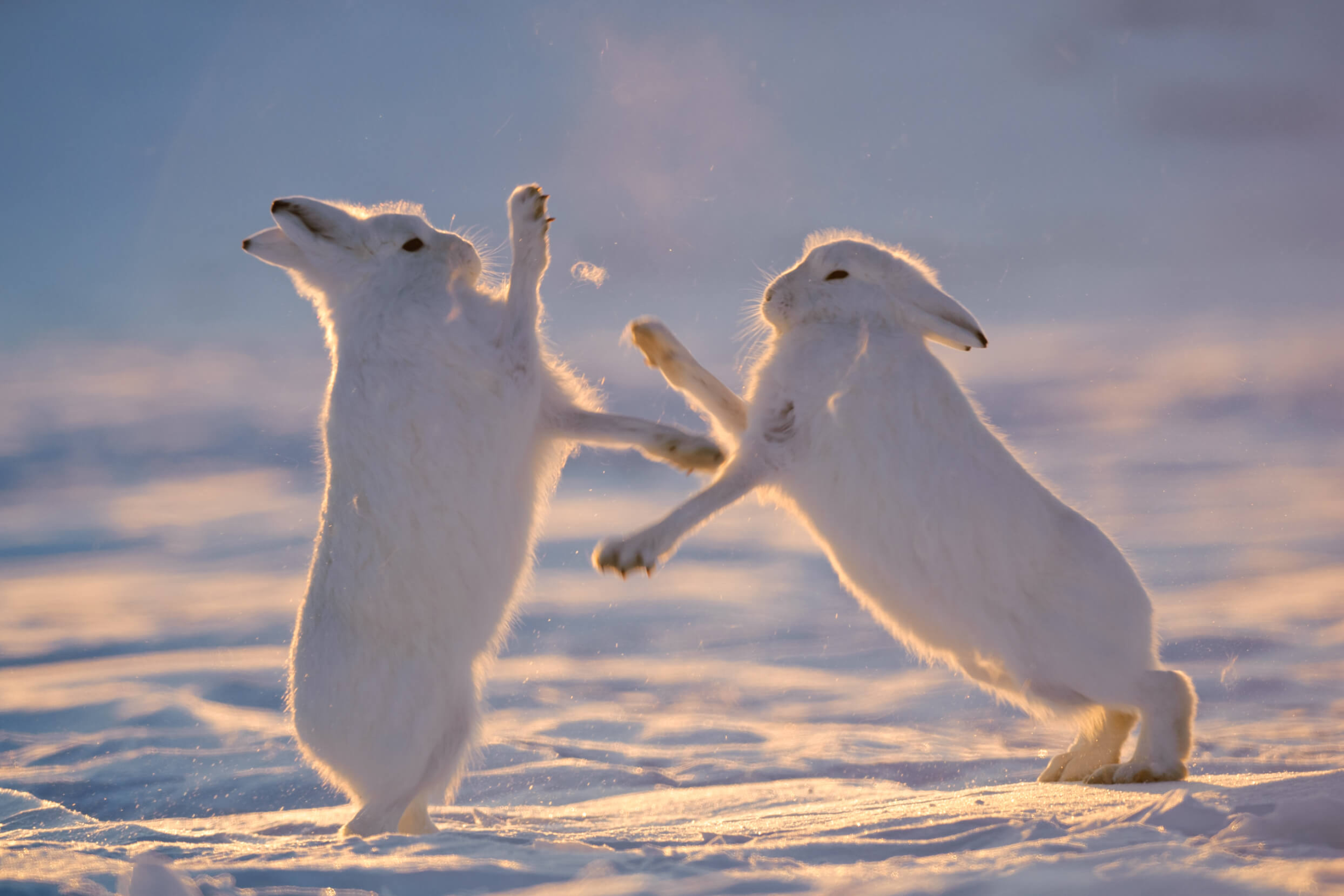
Greenland is home to the arctic hare, a species fully adapted to arctic conditions. White fur provides camouflage as well as protection from the cold, while powerful hind legs allow for quick locomotion over rough terrain. This species lives solitary or in small groups in northern and eastern Greenland, feeding on lichens and grasses. The best travel time to spot the Arctic hare: from July through early September.
4. Arctic Canada (North Pole) – The Narwhal
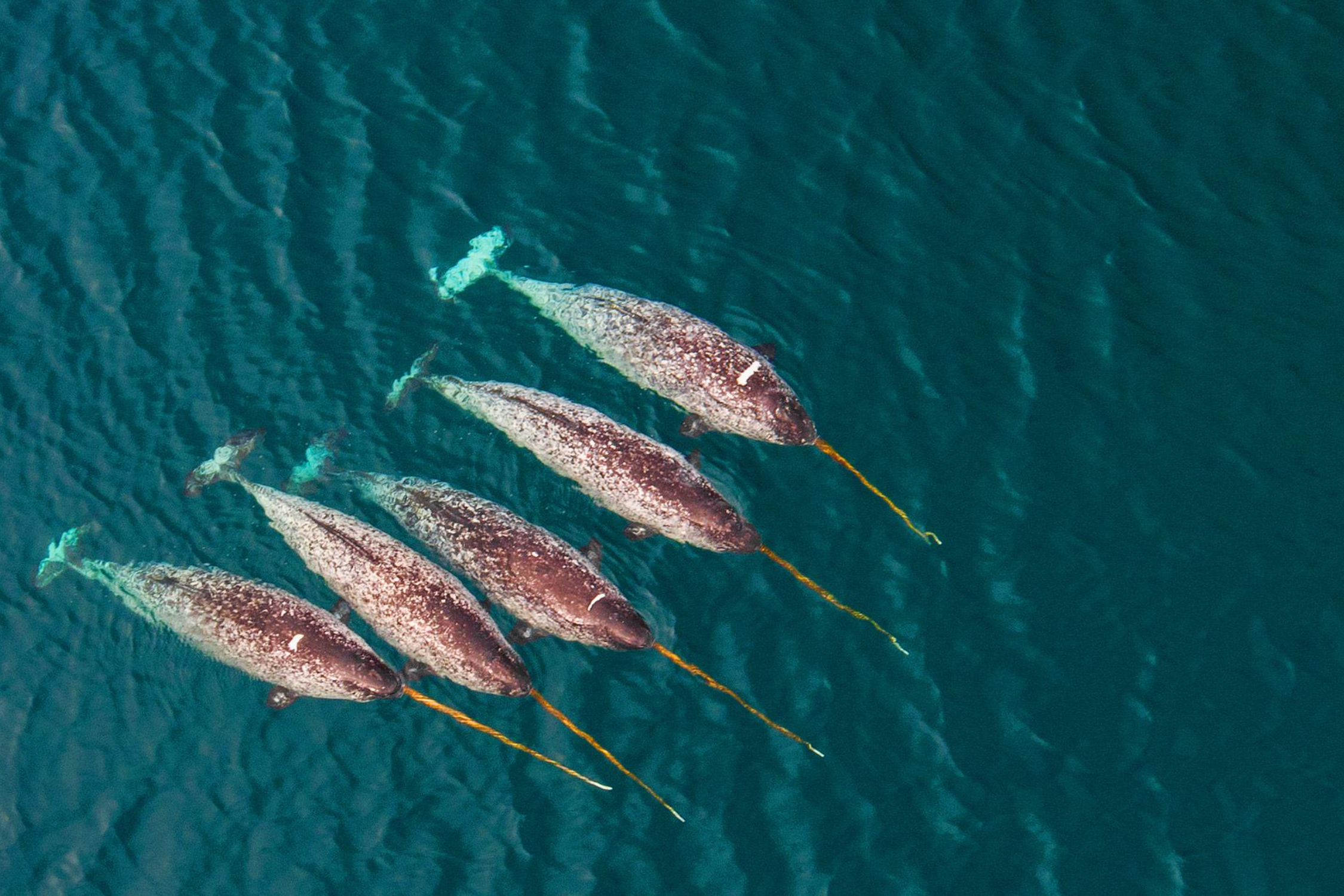
Arctic Canada is known as the habitat of the narwhal, often described as the “unicorn of the sea. This toothed whale is found in the waters of northern Canada and has a distinctive tusk: an extended canine tooth that can grow up to three meters long. Narwhals are shy and difficult to approach, but with boat expeditions from Nunavut or Baffin Island, there is a good chance of seeing them during their annual migration. The best travel time to spot narwhal: from June through July.
5. Arctic Alaska (North Pole) – The Musk Ox
Arctic Alaska is an important habitat for the musk ox, a herd animal that has been found in the Arctic since the Ice Age. A dense, woolly coat protects this robust animal from extremely low temperatures and makes it a striking presence in the open Arctic landscape. Musk oxen live in small groups and are mostly found in the area Arctic National Wildlife Refuge. The best travel time to spot the musk ox: from July through August.

Travel proposal
Are you curious about travel options for a trip to the North or South Pole? Then request a travel proposal.